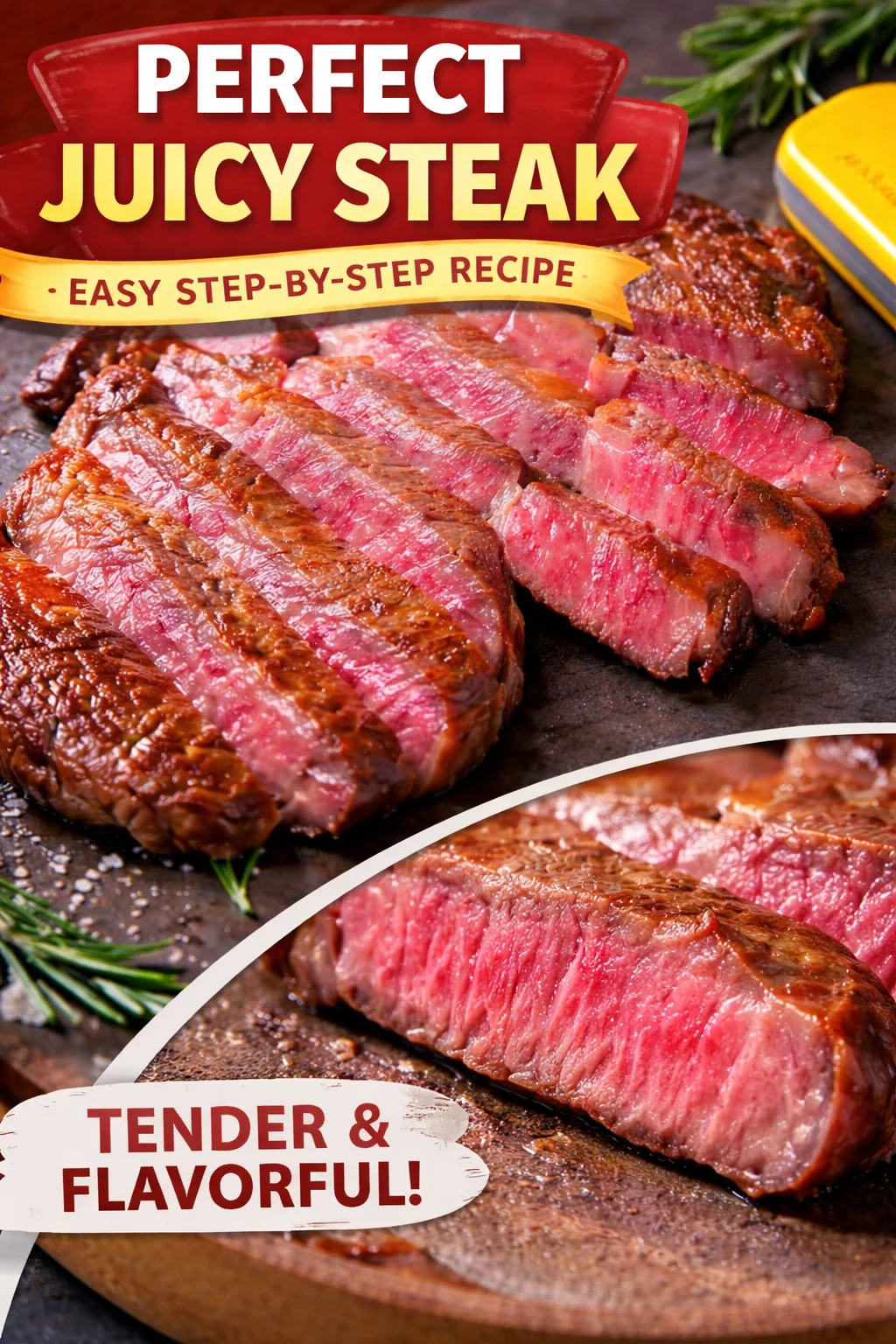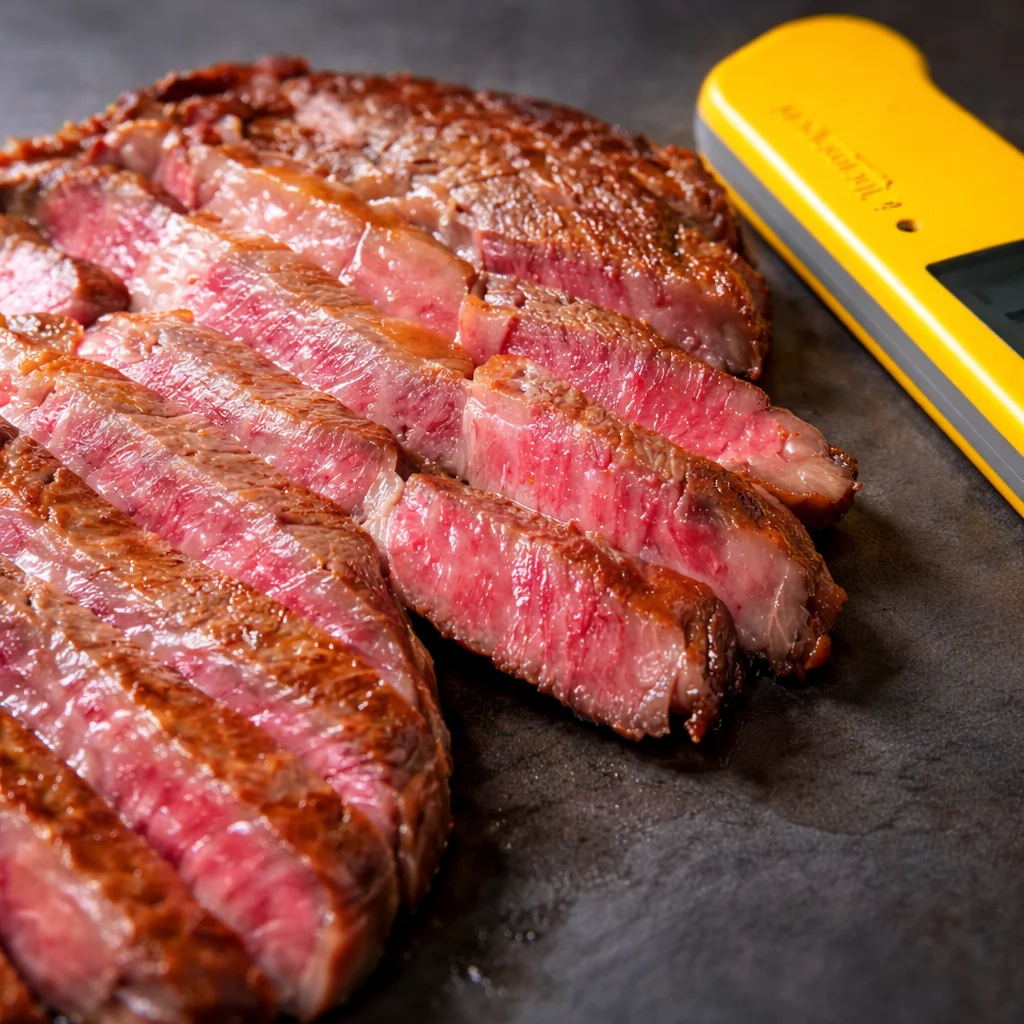
A5 Wagyu preparation is one of those things that sounds fancy until you’re standing in your kitchen thinking, okay… now what? The first time I cooked it at home, I was honestly a little stressed because it’s not the kind of steak you want to mess up. But here’s the good news: it’s actually simple when you follow a few easy steps and don’t overthink it. This post is basically the checklist I wish I had the first time, with little details that make a big difference. Let’s get you that crispy sear, that buttery center, and the kind of bite that makes everyone go quiet for a second. 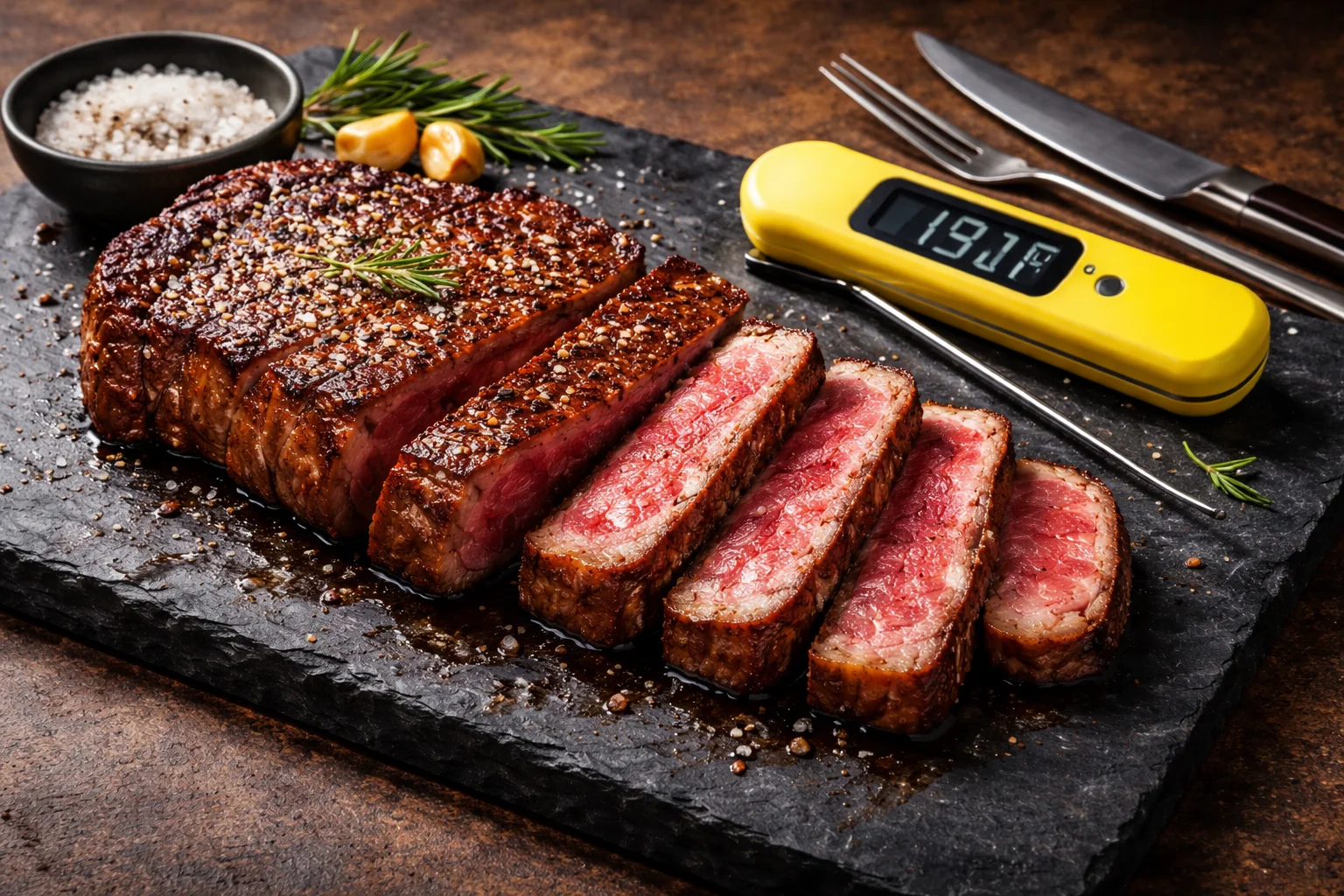
What is Japanese Wagyu beef?
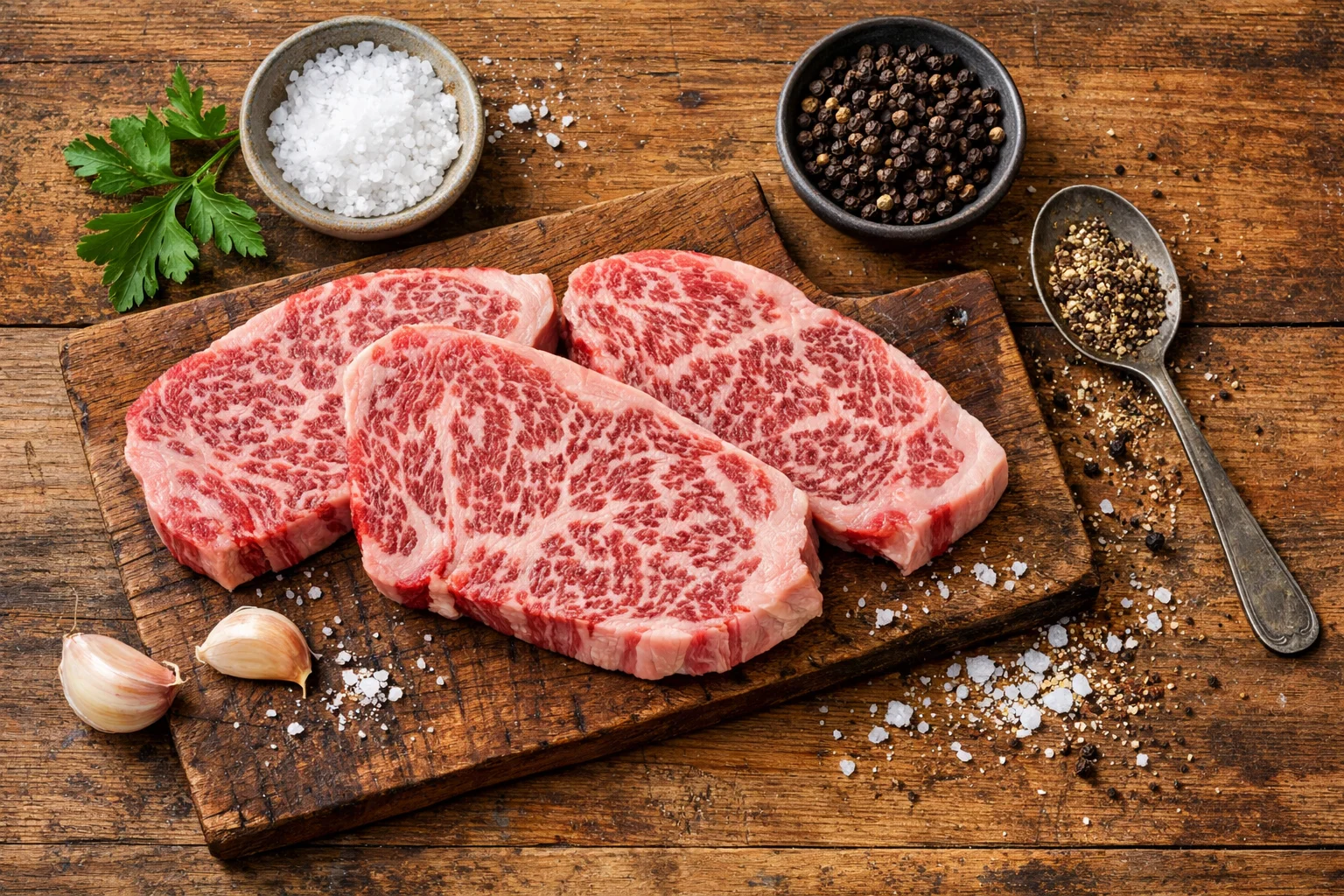
Japanese Wagyu beef is famous for one big reason: the fat is marbled all through the meat, not just around the edges. That marbling is what gives you the buttery texture and that rich, almost sweet flavor that feels totally different from a normal steak.
When you see “A5,” that’s basically the top grade. It’s judged on things like how much marbling it has, the color, the texture, and the quality of the fat. If you’ve ever seen a photo of A5 and thought it looks like a pink and white stained glass window, that’s the stuff.
One thing that matters for A5 Wagyu preparation is understanding that this steak isn’t meant to be treated like a thick ribeye you cook for a crowd. It’s rich. A little goes a long way. I like serving smaller portions and focusing on perfect cooking rather than big volume.
If you’re curious about other steak nights you can build around this, I usually keep ideas saved for sides and sauces. You can also browse more posts like this on my steak dinner guide when you want to plan a full spread without stress.
Thermal principles for wagyu steak
Okay, this is the part that makes A5 Wagyu preparation go from scary to easy. Wagyu has so much fat that it behaves differently on heat. The goal is to warm the inside gently, then sear fast for texture.
Why gentle heat wins
Think of the fat in Wagyu like butter. If you blast it too hard for too long, you’ll melt out the good stuff and end up with a smaller steak and a lot of expensive drippings. You want enough heat to render a little fat for flavor, but not so much that the steak turns into a sad puddle.
Here’s the simple heat rule I follow:
- Warm the steak slightly before cooking so it doesn’t go from fridge cold to pan hot.
- Use medium to medium high heat and keep the cooking time short.
- Flip often so one side doesn’t get all the punishment.
Also, use a heavy pan if you can. Cast iron is my favorite because it gives you that solid, even sear. No fancy equipment needed, just something that holds heat.
“I followed your steps and finally didn’t overcook my A5. The crust was perfect and the inside stayed creamy. Worth every penny.”
If you’re the kind of person who likes a second opinion before cooking pricey beef, I totally get it. I learned a lot by reading a few different approaches over time, then sticking with what worked in my kitchen.
How to Defrost A5 Wagyu
Defrosting is not the sexy part of A5 Wagyu preparation, but it might be the most important. If you rush this, the texture can suffer, and you can lose juices before you even start.
The safe, steak loving way to thaw
Here’s what I do every time:
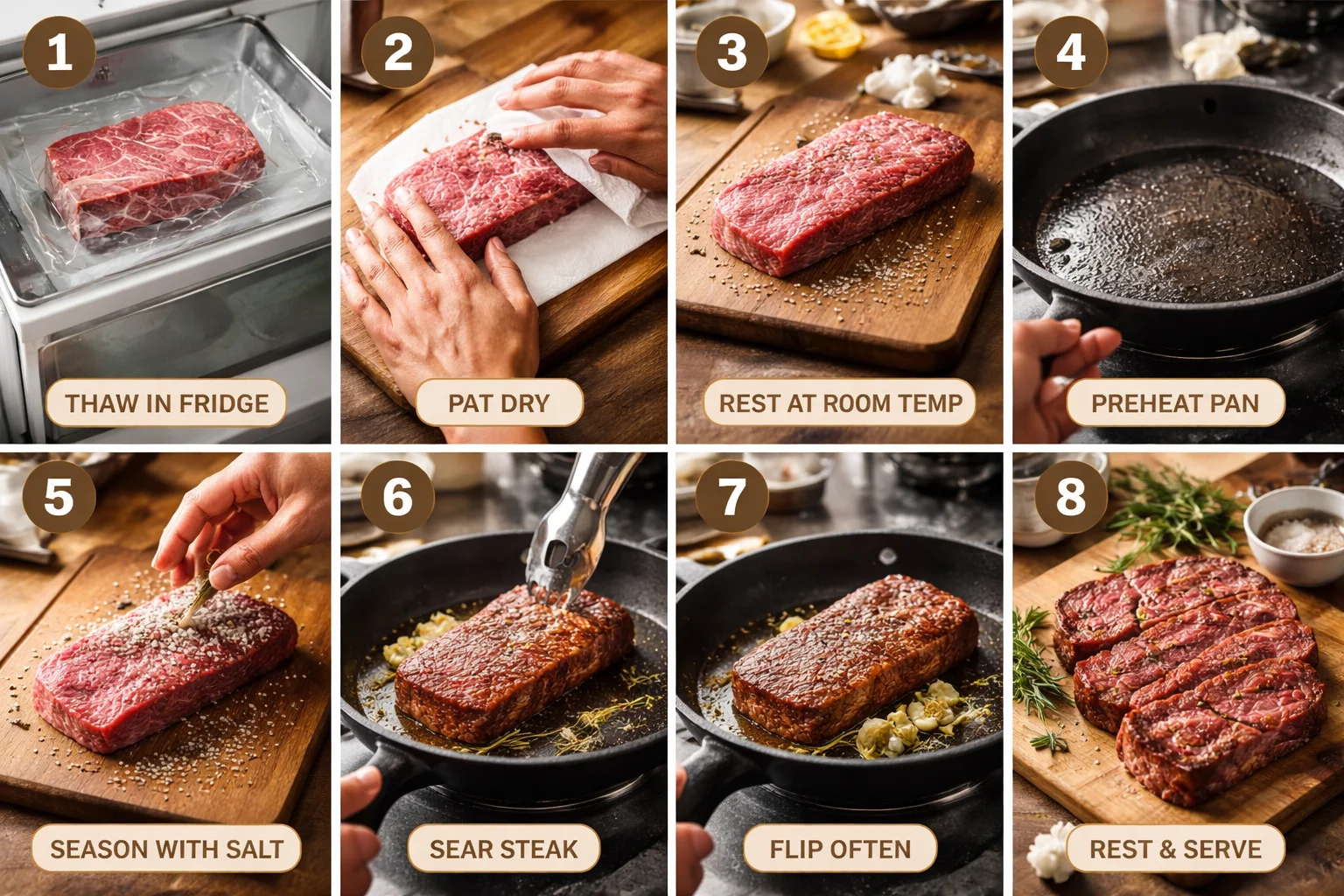
Step 1: Thaw in the fridge. Keep the steak in its packaging and place it on a plate or tray. Let it thaw slowly in the refrigerator for 24 to 48 hours depending on thickness.
Step 2: Dry it well. Once thawed, remove it from the packaging and pat it dry with paper towels. Moisture is the enemy of a good sear.
Step 3: Let it sit out briefly. Let it rest at room temperature for 20 to 30 minutes before cooking. Not for hours, just enough to take the chill off.
What I avoid:
No microwave defrosting and no hot water bath. Wagyu is delicate, and those shortcuts can start cooking the edges or mess with the fat.
If you want a simple seasoning plan, I usually keep it minimal for Wagyu. And if you like experimenting with salts, I keep notes and favorites on my seasoning basics page.
Japanese Cuts
Not all Wagyu cuts cook the same, and knowing what you bought makes A5 Wagyu preparation feel a lot more predictable. Here are a few common Japanese cuts you might see when ordering:
Ribeye: Very rich, very marbled, and forgiving. Great for first timers.
Striploin: Still super marbled, but a little more structured bite. It’s my personal favorite when I want that steak feel plus Wagyu richness.
Tenderloin: Softer and more mild. Usually less marbled than ribeye or striploin, but still luxurious.
Chuck flap or zabuton: This one can be insanely good, often used in Japanese BBQ, and it sears beautifully.
For cooking, I like slicing thicker steaks into smaller portions before they hit the pan. Not paper thin, just smaller pieces so you can control the sear and serve bite sized portions. This also helps because Wagyu is so rich that a few ounces per person can feel perfect.
My quick at home method for cooking once it’s thawed and portioned:
Step 4: Preheat your pan. Medium to medium high. Give it a few minutes so it’s truly hot.
Step 5: Season simply. Just salt right before cooking. Pepper can burn, so I add it after.
Step 6: Sear fast and flip often. About 45 to 90 seconds per side depending on thickness, flipping every 30 seconds or so. You’re building a crust without overcooking.
Step 7: Rest briefly. Two to three minutes is plenty. Then slice and serve right away.
And yes, you’ll see plenty of rendered fat in the pan. I like to spoon a little of it over the sliced steak right before serving. That’s pure flavor.
A5 Pairings
Because A5 is so rich, pairings matter more than usual. You don’t want a heavy side fighting for attention. You want contrast and freshness, plus something simple to soak up the vibe.
My go to pairings:
- Steamed rice or sushi rice with a tiny sprinkle of flaky salt
- Quick cucumber salad with rice vinegar and sesame
- Sauteed mushrooms in a little of the rendered Wagyu fat
- Pickled ginger or quick pickled onions for brightness
- Light greens with a citrusy dressing
For sauces, I keep it minimal. A little soy sauce and citrus, or a tiny dab of wasabi, goes a long way. If you want the meat to taste like itself, don’t drown it.
Also, here’s a small tip people forget: serve it hot. Wagyu fat melts at a lower temperature than you’d expect, so if the slices sit around, you lose that dreamy texture.
Common Questions
Q: What doneness is best for A5?
A: I aim for medium rare to medium. For most cuts, that keeps the fat soft and the meat tender without turning it mushy.
Q: Should I use oil or butter in the pan?
A: Usually no. A5 has enough fat to cook in its own rendered goodness. If your pan is super dry, a tiny smear of neutral oil is fine, but keep it minimal.
Q: Can I grill A5 Wagyu?
A: You can, but it’s easier to over render the fat on a grill. A pan gives you more control. If you grill, use lower heat and shorter time than you think.
Q: Why did my Wagyu shrink so much?
A: That’s usually from too much heat or too long in the pan. For A5 Wagyu preparation, quick sears and frequent flips help you keep more of that precious fat in the steak.
Q: Do I need a meat thermometer?
A: It helps, especially if you get nervous. But you can also go by time and feel. If you want a solid reference, I’d rather you check early than guess late.
Alright, you’ve got this
If you take anything from my A5 Wagyu preparation routine, let it be this: thaw slowly, keep seasoning simple, and cook it fast with control. Once you taste that crisp edge and that melt in your mouth center, you’ll realize it’s not about fancy chef tricks, it’s about smart little choices. If you want extra temperature and timing guidance, the tips in Cooking REAL Japanese Wagyu Steaks – ThermoWorks Blog are super helpful. And if you want a really honest reality check about what makes Wagyu different and how people cook it at home, this is a great read too: How to Cook Wagyu Beef at Home – Serious Eats. Now go make that steak night happen, and don’t forget to slice, taste, and enjoy it while it’s still warm.