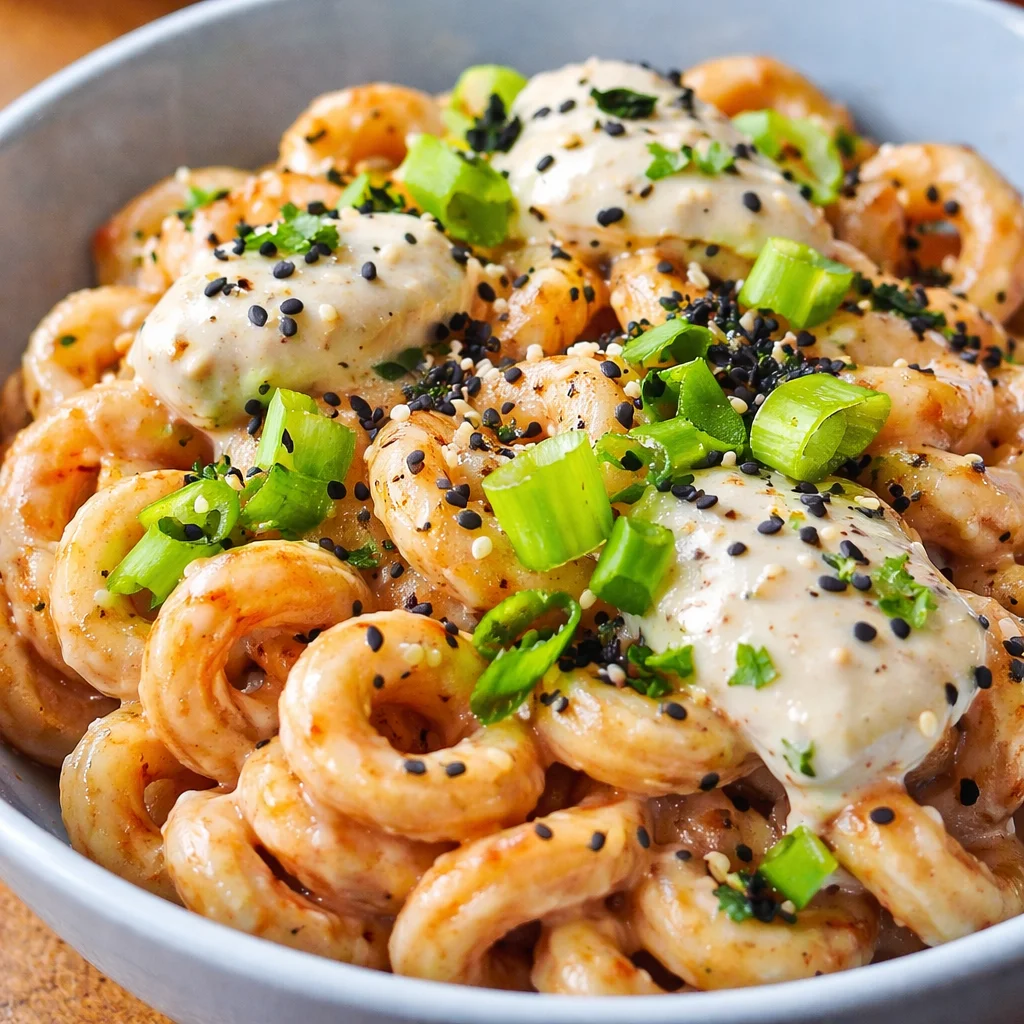
Kimchi Butter Pasta is my go to dinner for those nights when I want something cozy, spicy, and a little bit indulgent without doing a whole sink full of dishes. You know the vibe: you are tired, you are hungry, and you still want food that feels exciting. This is the kind of bowl that smells amazing the second the kimchi hits the pan. It is fast enough for a weeknight, but it tastes like you actually planned your life. And once you learn a few small tricks, you can make it your own in a bunch of ways.
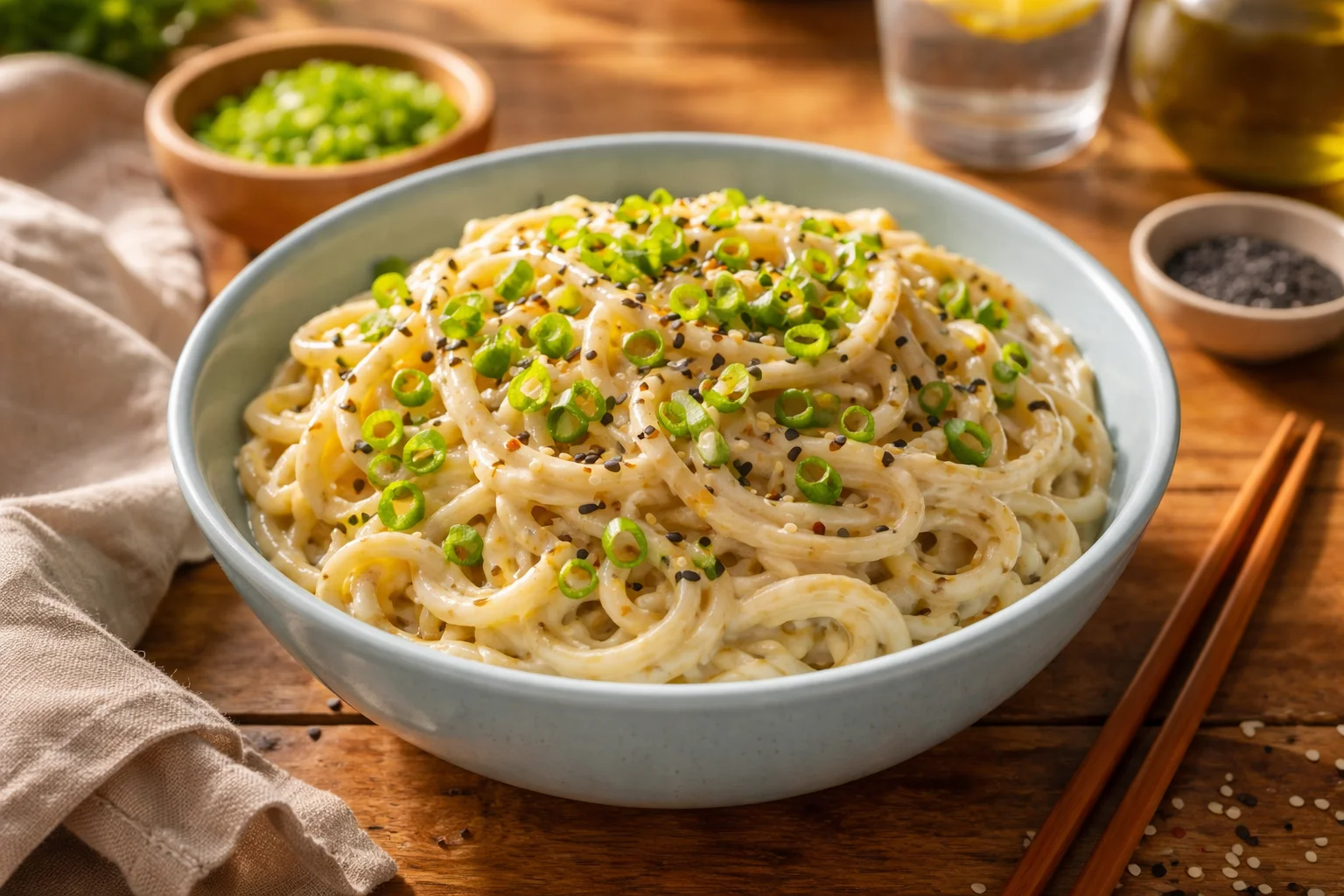
Understanding the Flavor Profile of Buttery Kimchi Noodles
The reason Kimchi Butter Pasta works so well is that it hits all the big cravings at once. You get buttery richness, tangy funk from kimchi, and a gentle heat that wakes everything up. It is bold, but it is not complicated.
Here is what I taste in every good bowl:
- Butter: round and comforting, it smooths out the sharp edges of the kimchi.
- Kimchi: sour, salty, and a little fermented in the best way.
- Kimchi brine: this is the secret sauce. A spoon or two makes everything taste more “together.”
- Garlic: not optional in my kitchen. It makes the whole thing smell like dinner is happening.
- A touch of sugar or honey: tiny amount, big payoff. It helps the kimchi taste more rounded.
One personal note: if you are new to kimchi, start with a smaller amount and build from there. Some brands are punchier than others. I learned that the hard way after buying a super funky jar and using it like it was mild salsa. Still ate it, just needed extra butter and a fried egg to calm it down.
If you love the cozy pasta vibe in general, you might also like this garlic shrimp pasta for another quick dinner that feels restaurant worthy at home.
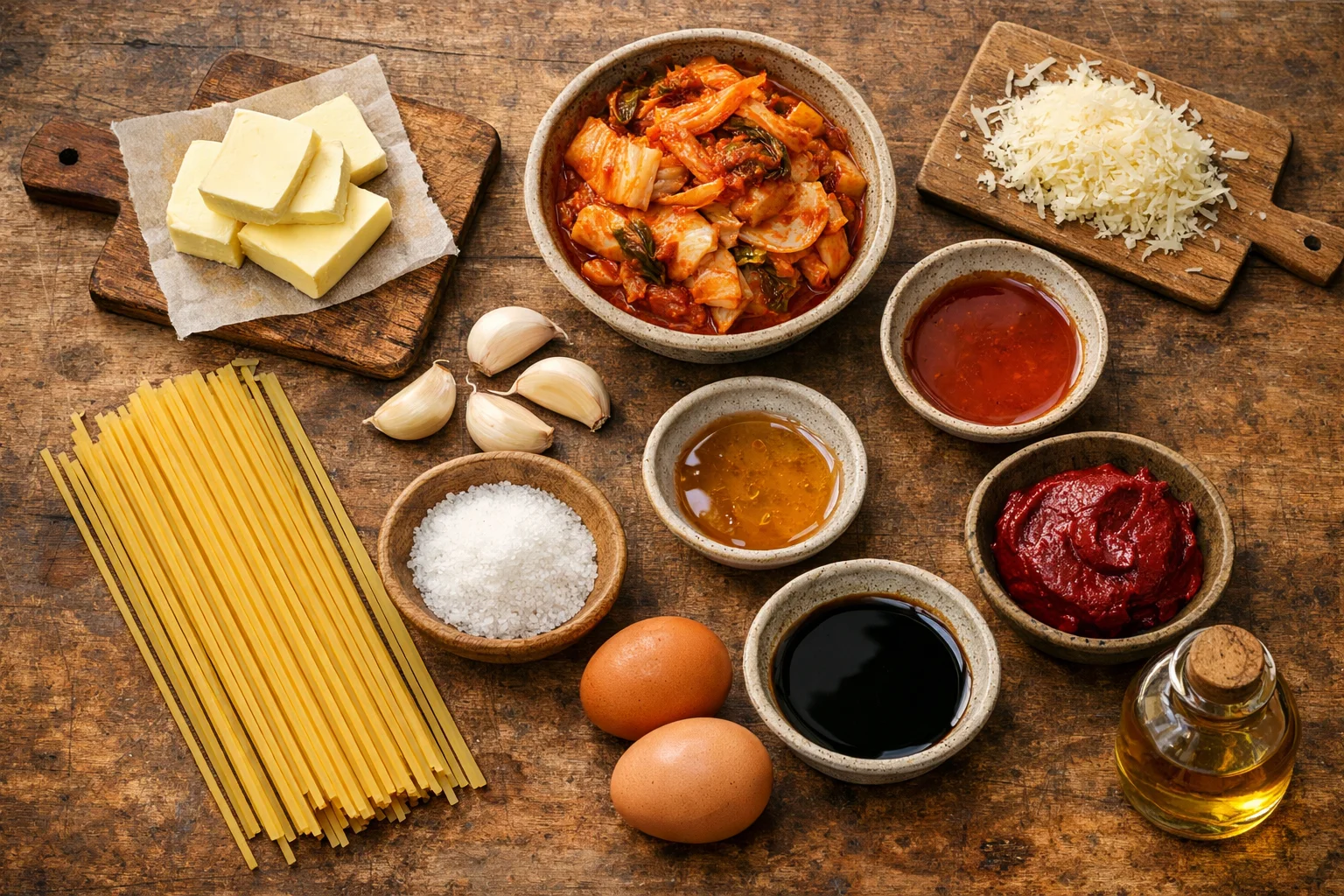
Cooking Methods for Preparing Noodles
Let us talk noodles, because the way you cook them changes everything. You do not need fancy techniques, but you do need one habit: save some noodle water. That starchy water helps the butter and kimchi turn into an actual sauce instead of an oily puddle.
Here are my favorite methods depending on what I have in the pantry:
Method 1: Classic pasta, fast and familiar
Spaghetti, linguine, or even short shapes like penne all work. Boil in salted water, pull it about 1 minute before you think it is done, then finish it in the pan with butter, kimchi, and a splash of that noodle water. This is where it becomes glossy and clingy in the best way.
Method 2: Udon for chewy comfort
If you have vacuum packed udon, this turns into buttery kimchi noodles that feel extra cozy. Udon is thicker and chewier, so it holds onto the sauce really well. I rinse it quickly after heating (just to remove extra starch), then toss in the pan like pasta.
Method 3: One pan shortcut when you are tired
If you hate washing pots, cook the kimchi and butter first, then add water or broth and simmer the noodles right in the same pan. You have to stir more, but it is worth it when you want minimal cleanup. Keep the heat gentle so the noodles cook evenly.
My small rule: do not overcook the noodles. This dish is saucy and rich, so mushy noodles make it feel heavy fast.
Best Pantry Ingredients for Kimchi Dishes
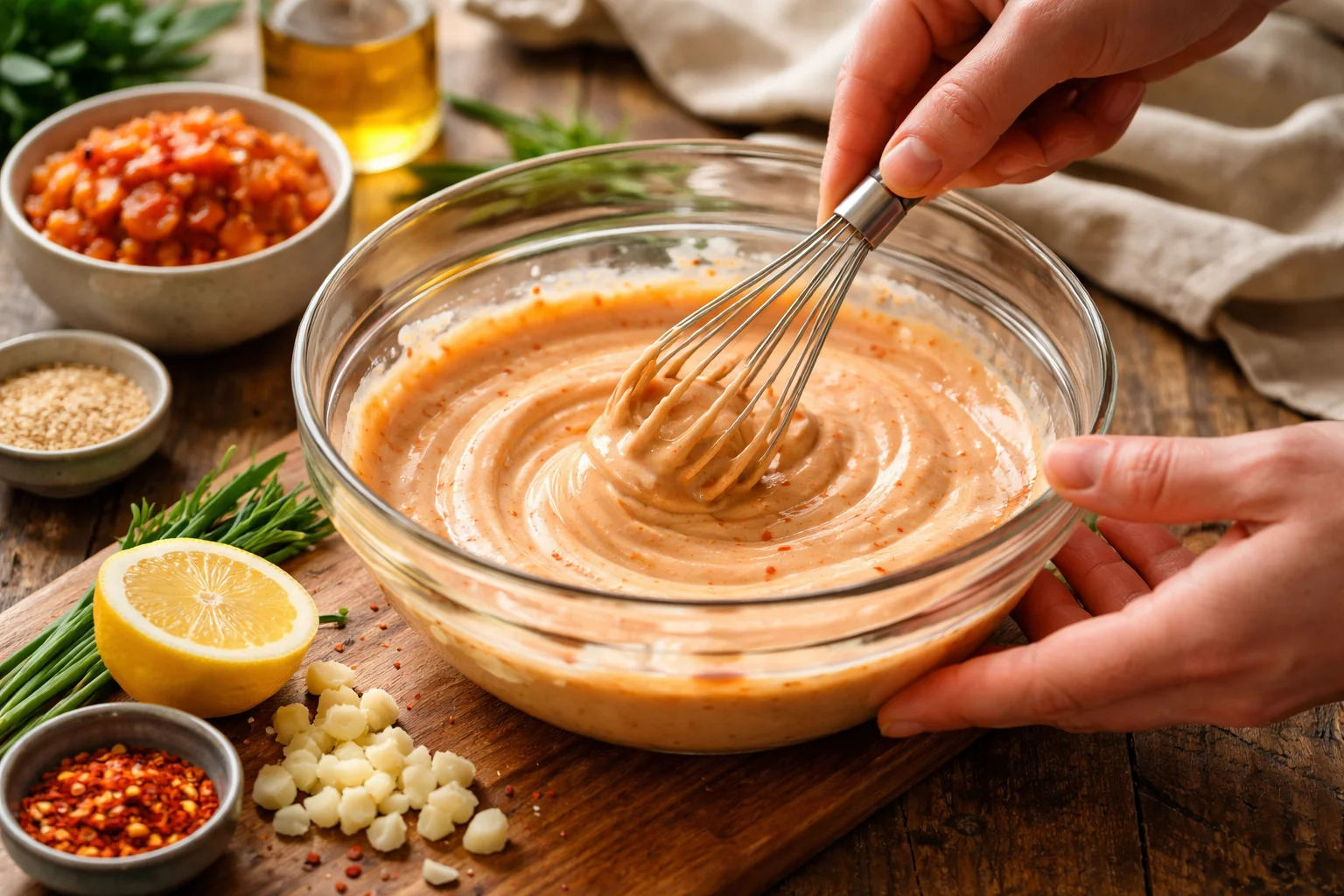
This is the outline where I get really practical, because Kimchi Butter Pasta is basically built for pantry cooking. You can make it feel “special” without running to the store, as long as you keep a few helpful ingredients around.
What I like to stock for easy kimchi meals:
- Kimchi: obviously. Look for a jar that tastes good on its own. If you would not snack on it, you will not love it in pasta.
- Butter: salted or unsalted both work. If salted, taste before adding extra soy sauce.
- Garlic: fresh is best, but garlic paste works in a pinch.
- Soy sauce: for savory depth. Start small.
- Gochujang (optional): adds a deeper, slightly sweet heat.
- Sesame oil: just a few drops at the end makes it smell amazing.
- Eggs: fried egg on top makes it feel like a full meal.
- Cheese (optional): parmesan for salty bite, or mozzarella for melt. Yes, it sounds odd. Yes, it works.
Also, if you are the kind of person who likes a little treat after spicy dinner, I have to point you to these peanut butter cheesecake truffles. I make them when I want something sweet without baking.
“I tried your Kimchi Butter Pasta idea with udon and a fried egg, and it was honestly better than takeout. The brine tip was everything.”
Tips for Balancing Spices
This is where a lot of people get nervous, but it is actually easy. The goal is not to make it unbearably hot. The goal is to make it flavorful and balanced so you want another bite.
My go to balancing moves:
Too spicy? Add more butter, a splash of cream, or even a little cream cheese. A fried egg also calms heat.
Too sour? Add a tiny pinch of sugar or a drizzle of honey. You can also cook the kimchi a bit longer to mellow it out.
Too salty? Skip soy sauce and use unsalted butter next time. Add more noodles and a splash of plain noodle water to spread the seasoning out.
Tastes flat? Add garlic, a little more kimchi brine, or a small squeeze of lime. A sprinkle of sesame seeds helps too.
One extra tip: cook the kimchi in butter for a couple of minutes before adding noodles. That quick saute takes the raw edge off and brings out a slightly sweet, almost caramel vibe.
Variations and Customizations for Buttery Kimchi Noodles
This is the fun part. Once you have the basic idea down, you can remix it in ways that fit your mood and what is in your fridge. I make some version of Kimchi Butter Pasta all the time, and I rarely do it exactly the same way twice.
Variation 1: The creamy comfort bowl
Add a splash of cream or a spoon of cream cheese. It turns the sauce silky and a little less sharp. This is my choice when I want something extra cozy.
Variation 2: The seafood upgrade
Top with shrimp, scallops, or even canned tuna in a pinch. If you want a guide for shrimp timing and flavor, this garlic shrimp pasta is a handy reference and the method transfers well.
Variation 3: The crispy topping version
Toast panko in butter until golden, then sprinkle it over the noodles. It adds crunch and makes the bowl feel fancy with almost no effort.
Variation 4: The veggie loaded pantry dinner
Add spinach, frozen peas, mushrooms, or shredded cabbage. Mushrooms are especially good because they soak up the buttery kimchi sauce.
Variation 5: The late night egg situation
Fried egg, soft scrambled egg, or even a jammy boiled egg. The yolk mixes into the sauce and it is just ridiculously good.
However you do it, remember the core: buttery base, kimchi for punch, and just enough noodle water to pull it all together. That is the heartbeat of buttery kimchi noodles at home.
Common Questions
1) What type of kimchi is best for Kimchi Butter Pasta?
I like napa cabbage kimchi that is medium spicy and not overly fishy. If the jar tastes good straight from the fridge, it will taste good in the pan.
2) Can I make it without gochujang?
Yes. Kimchi plus butter already brings plenty of flavor. If you want more depth, use a tiny bit of soy sauce or a pinch of sugar instead.
3) How do I keep the sauce from getting greasy?
Use reserved noodle water and add it a little at a time while tossing. That starchy water helps the butter turn into a smooth sauce.
4) Is Kimchi Butter Pasta good as leftovers?
It is best fresh, but leftovers are still tasty. Reheat gently with a splash of water and a small knob of butter to bring the sauce back.
5) Can I make it vegetarian?
Absolutely, just check that your kimchi is vegetarian since some have fish sauce or shrimp paste. Then load up on mushrooms or tofu for protein.
A cozy bowl you will want on repeat
If you take one thing from this post, let it be this: Kimchi Butter Pasta is flexible, fast, and way more comforting than it has any right to be. Keep kimchi and butter on hand, save your noodle water, and you can build a dinner that tastes bold without being hard. If you want more inspiration, I loved reading Caramelized Kimchi Pasta – The World According to Tausch for that deeper cooked kimchi flavor idea, and this Bon Appetit piece, These Buttery Kimchi Noodles Are My Desert-Island Pantry Dinner, is such a good reminder that pantry meals can still feel exciting. Try it once, tweak it to your taste, and I swear you will start craving that buttery, spicy tang on random weekdays like I do.
Leave a Reply