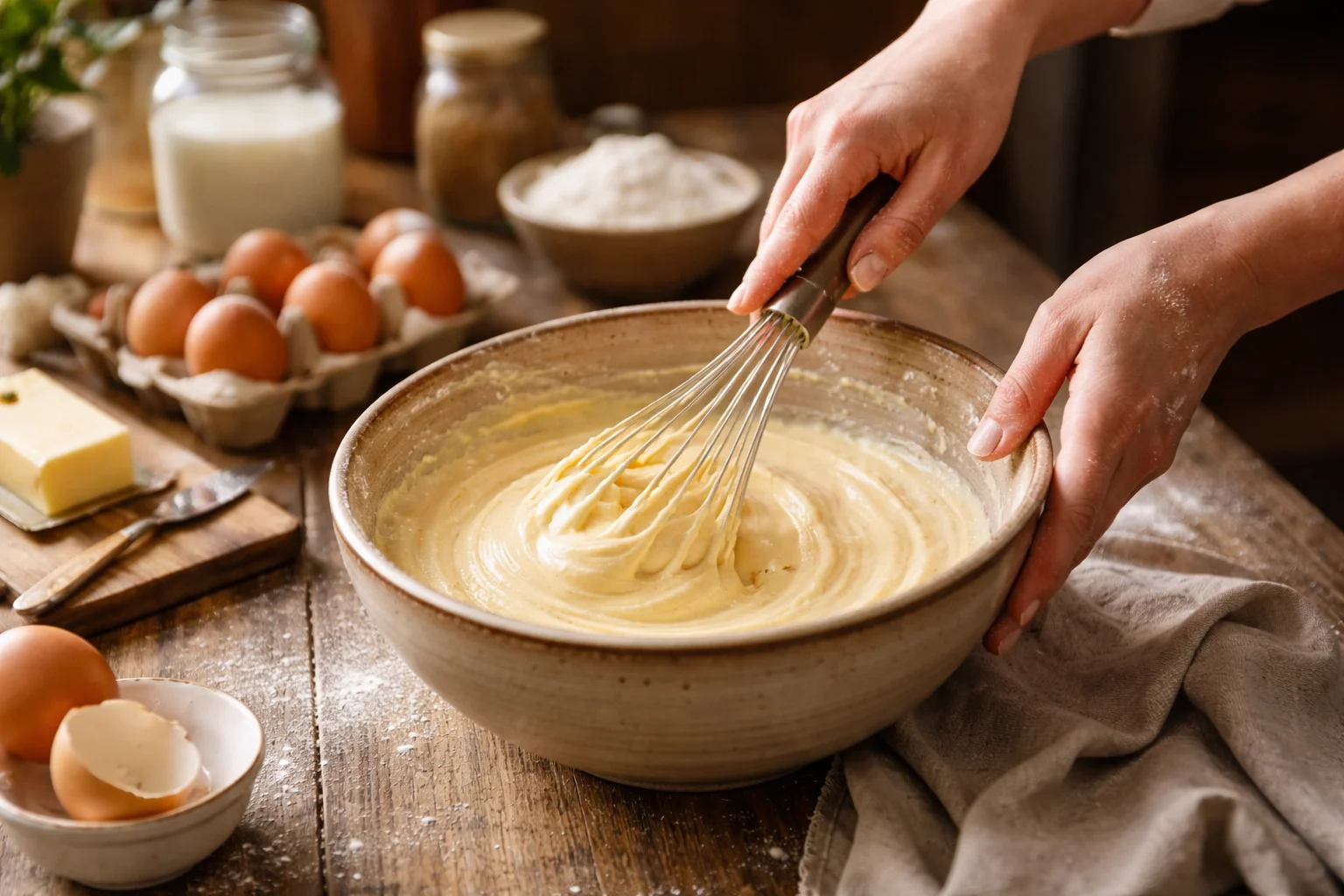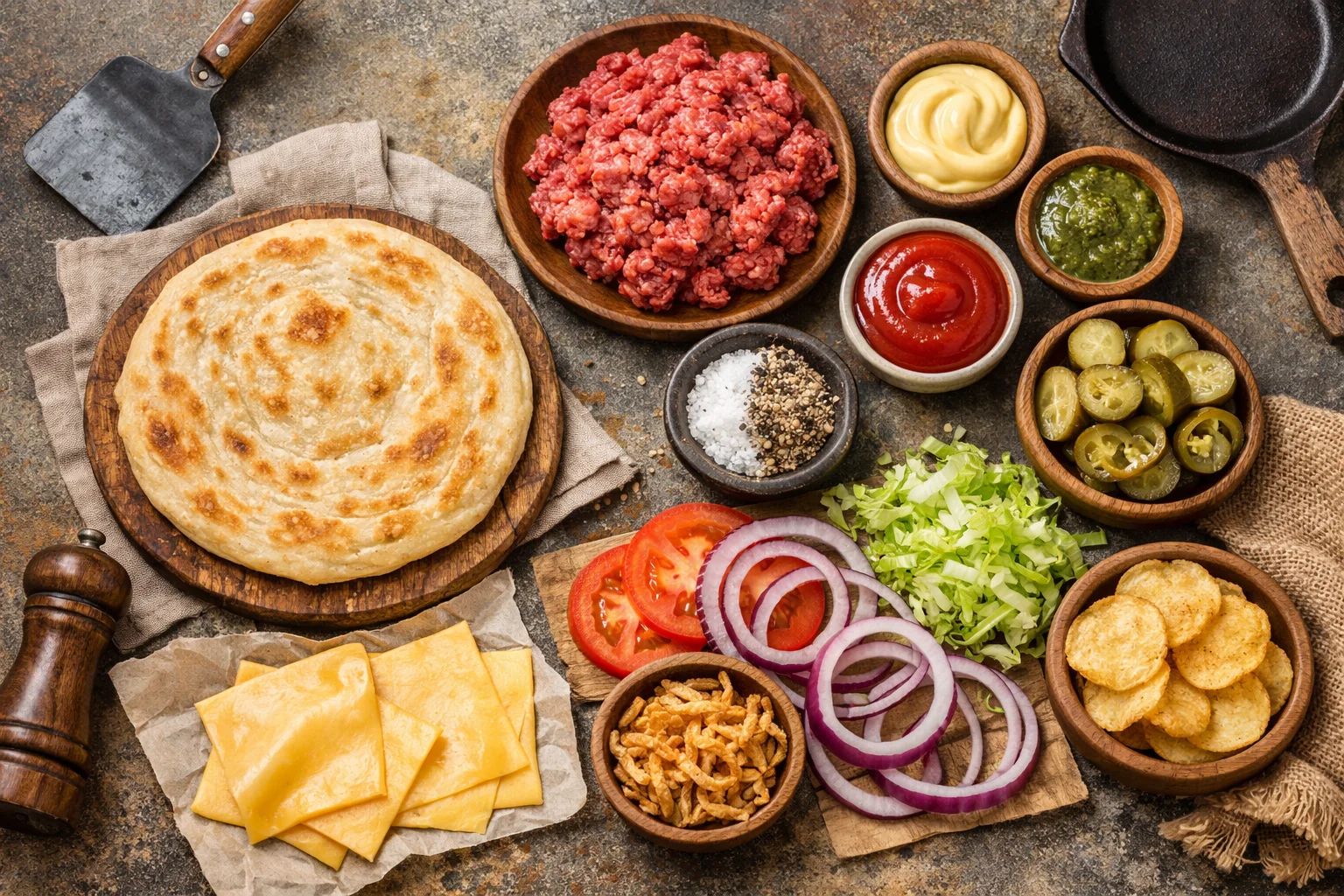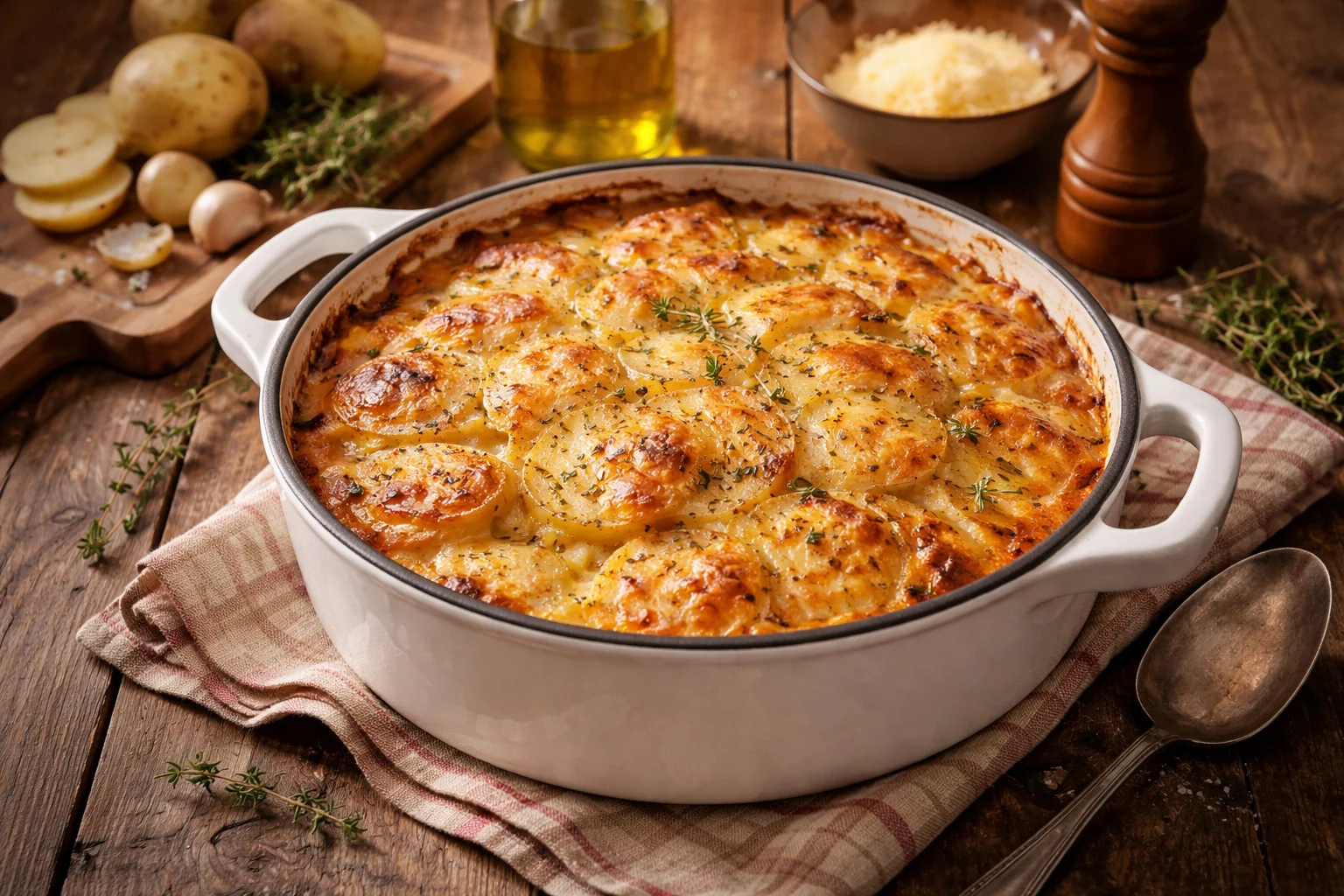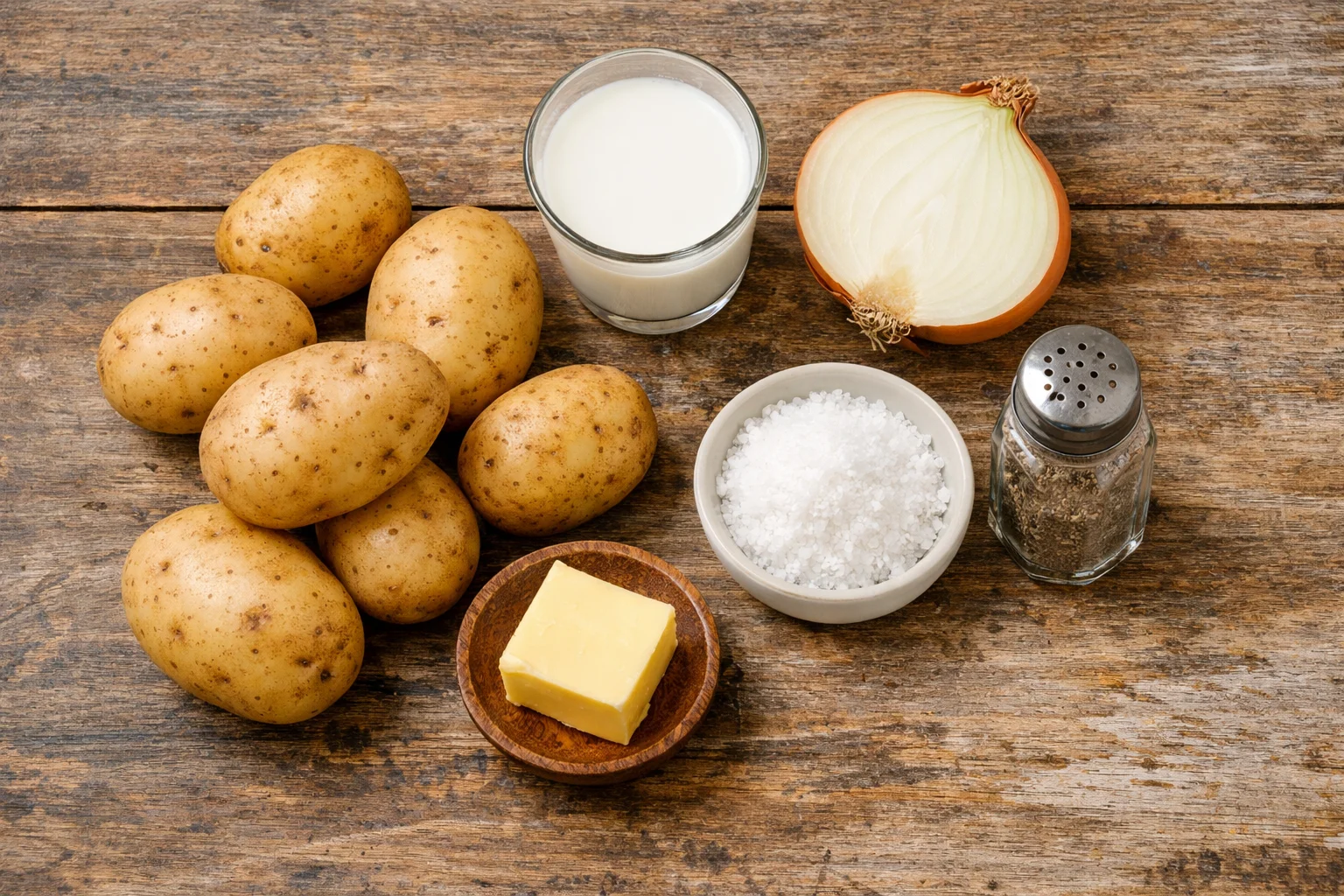
Tag: food

  • Savory One-Pan Dumpling Bake That’s Too Good to Share!

    Savory One-Pan Dumpling Bake That’s Too Good to Share!

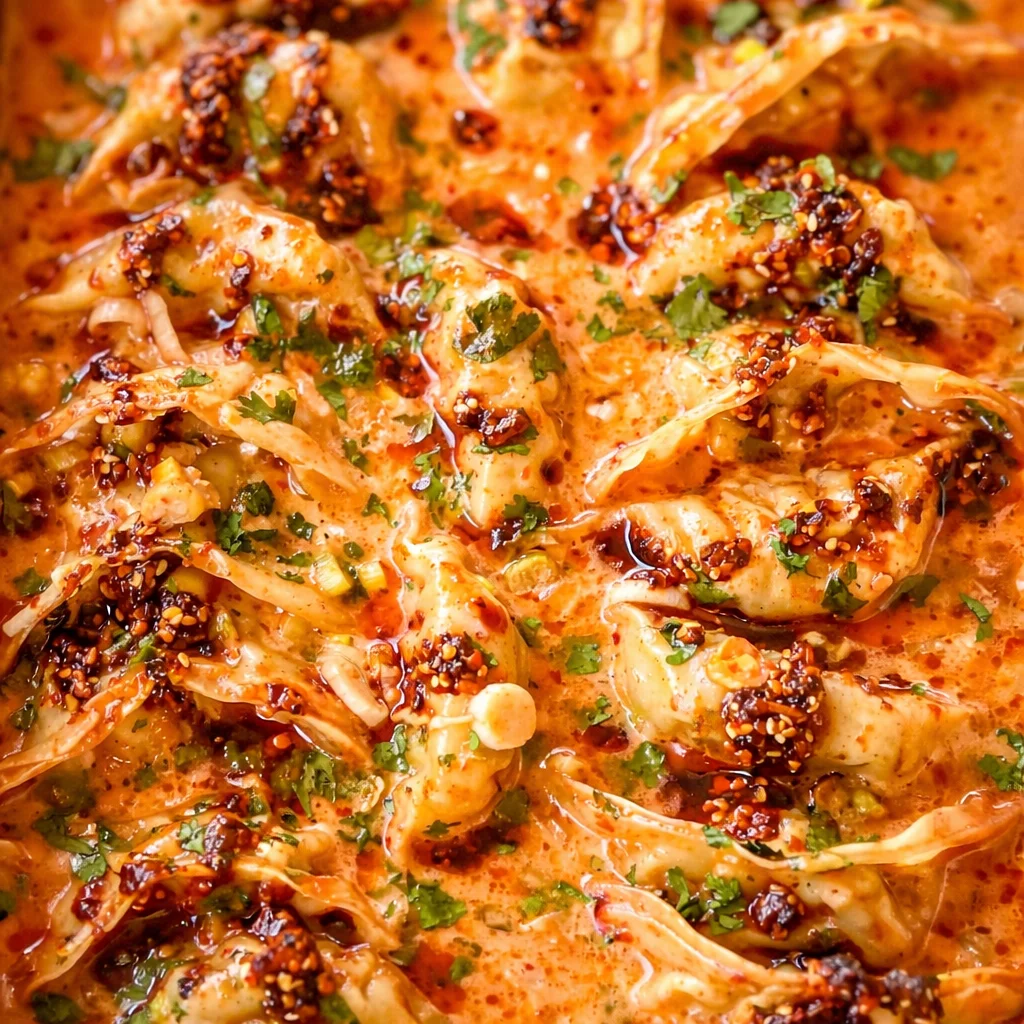
    Dumpling Bake nights happen when I want something cozy and impressive but I also do not want a pile of dishes staring at me after dinner. You know that feeling when everyone is hungry, the kitchen is messy, and you just need a win? This is that win. It is saucy, crispy around the edges, and somehow tastes like you tried way harder than you did. Plus, it works with freezer dumplings, which feels like cheating in the best way. Let me walk you through my favorite one-pan version that is honestly too good to share.

    Savory One-Pan Dumpling Bake That's Too Good to Share!

    Why Youll Love This Recipe

    This is the kind of dinner that makes people hover around the stove waiting for you to scoop them “just a taste.” It is warm, savory, and a little sticky in the way good baked sauces are. And because everything bakes together, the dumplings soak up flavor while the top gets those golden spots that make you want to eat straight from the pan.

    Here is why it is on repeat at my house:

    • One pan, so cleanup is easy and you do not need special gear.
    • Freezer dumpling friendly, which means weeknight realistic.
    • Big flavor from a simple sauce that tastes like takeout vibes.
    • Flexible, you can swap protein, veggies, and spice level.
    • Feeds a crowd, or feeds you for days if you “forget” to share.

    I have made this when friends dropped by last minute, and it made me look like I had a plan. The best part is that the Dumpling Bake is forgiving. If you add a little extra sauce or more veggies, it still comes out delicious.
    Savory One-Pan Dumpling Bake That's Too Good to Share!

    How to Make These Viral One-Pan Baked Dumplings

    Okay, let us get into the fun part. This method is simple: sauce first, dumplings in, bake, then finish with a few fresh toppings. The oven does most of the work.

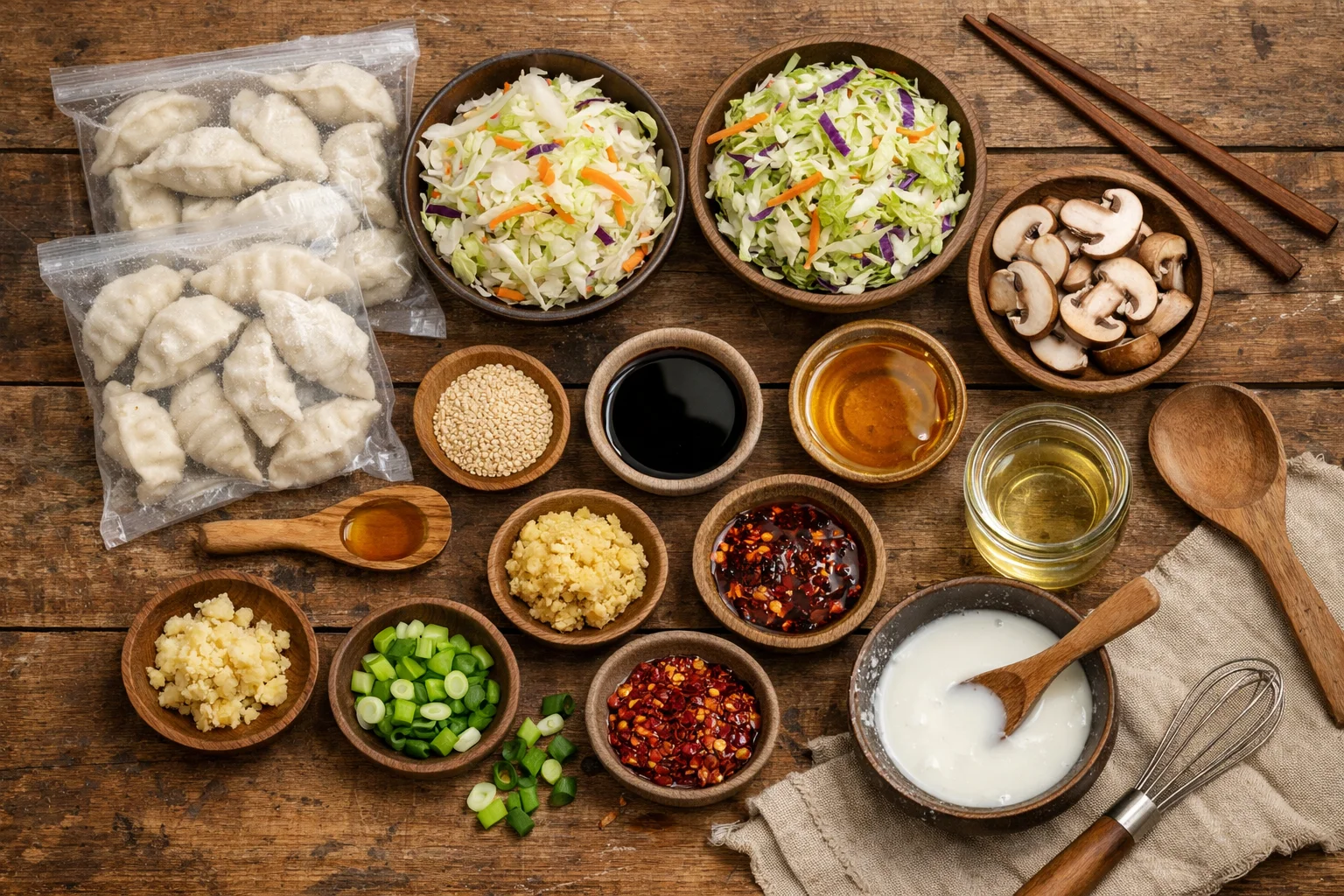
    What you will need

    Keep it simple. You can absolutely adjust based on what is in your fridge.

    • 1 to 2 bags of frozen dumplings (potstickers or gyoza work great)
    • 2 cups shredded cabbage or coleslaw mix
    • 1 cup sliced mushrooms (optional but so good)
    • 3 to 4 green onions, sliced
    • 1 tablespoon sesame oil
    • Sesame seeds for topping (optional)

    For the sauce:

    • 1 third cup soy sauce (or tamari)
    • 2 tablespoons honey or brown sugar
    • 2 tablespoons rice vinegar
    • 3 cloves garlic, minced
    • 1 tablespoon grated ginger (or 1 teaspoon ground ginger in a pinch)
    • 1 to 2 teaspoons chili crisp or sriracha (optional)
    • 1 tablespoon cornstarch mixed with 2 tablespoons water (for a thicker sauce)

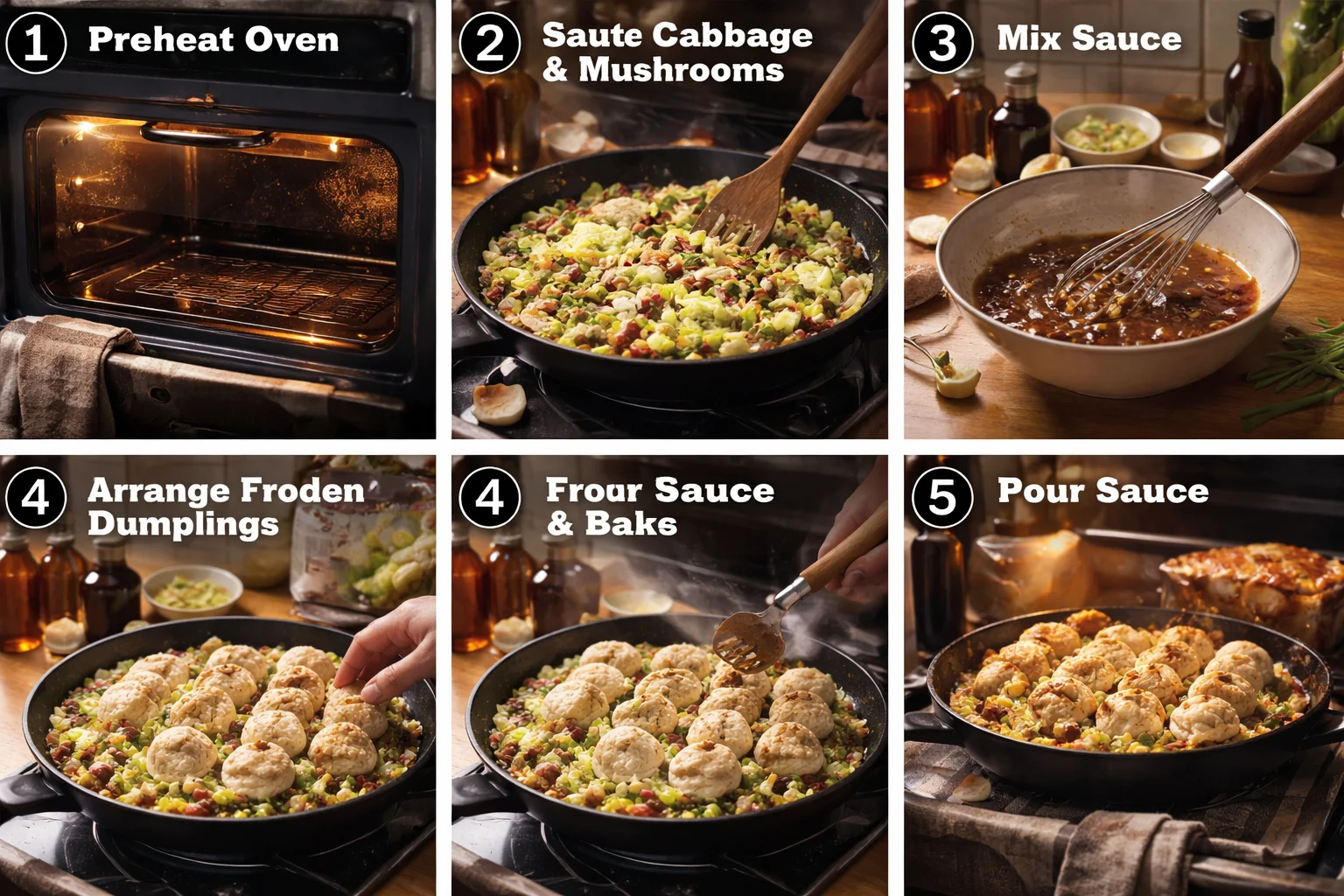
    Step by step directions

    1) Heat your oven to 400 F. Grab a 9×13 baking dish or a large oven-safe skillet.

    2) Toss cabbage and mushrooms in the pan with sesame oil. Spread them out so they make a little bed for the dumplings.

    3) Mix the sauce in a bowl. Add the cornstarch slurry at the end if you want it thicker and a bit glossy.

    4) Nestle frozen dumplings right on top of the veggies. Do not thaw them. Pour sauce over everything, making sure some sauce runs down into the veggies.

    5) Cover with foil and bake for 20 minutes. Then remove foil and bake another 10 to 15 minutes, until the Dumpling Bake looks bubbly and the tops have some golden spots.

    6) Finish with green onions and sesame seeds. If you like heat, add a little more chili crisp on top.

    If you want another cozy, quick dinner for busy nights, I usually rotate this with my other easy weeknight favorites too. I would link you to one here, but the internal link list I was given is empty, so I cannot add a proper internal link without making one up.

    “I made this once and now my family requests it every week. The dumplings on top get crispy and the sauce tastes like a restaurant dish.”
    Savory One-Pan Dumpling Bake That's Too Good to Share!

    Tips and Variations

    This is where you can make it feel like your own. The base method stays the same, but the vibe changes depending on what you toss in.

    Make it extra craveable

    • Go heavier on veggies: bell peppers, snap peas, broccoli florets, or spinach all work.
    • Add protein: shredded rotisserie chicken, cooked ground turkey, or crumbled tofu can go under the dumplings with the veggies.
    • Turn up the crisp: broil for 1 to 2 minutes at the end, but stay nearby. Things can go from golden to too dark fast.
    • Make it spicy: chili crisp, gochujang, or even red pepper flakes.

    If you are serving picky eaters, keep the spice out of the main pan and set out hot sauce on the table. That way everyone wins and you do not have to cook two dinners.

    Also, do not stress if your sauce looks like a lot at first. The dumplings drink it up, and the veggies release a little water, so everything evens out into this delicious baked coating. This is why I keep coming back to this Dumpling Bake when I want maximum comfort with minimum effort.

    Need an ingredient substitution?

    I am a big fan of “use what you have” cooking, especially on weeknights. Here are the swaps I have tried that actually work.

    Soy sauce: Tamari is great, and coconut aminos work if you want a slightly sweeter vibe.

    Honey: Brown sugar, maple syrup, or even a spoon of apricot jam can work in a pinch.

    Rice vinegar: Apple cider vinegar works, just use a touch less because it can be sharper.

    Fresh ginger and garlic: Powdered versions are fine. Not identical, but still tasty.

    Cabbage: Use coleslaw mix, shredded brussels sprouts, or thin sliced onions. Even bagged stir fry veggies are totally fair game.

    Dumplings: Any frozen potstickers, gyoza, or even mini wontons can bake up nicely. Just watch the cooking time if they are smaller.

    The one thing I would not skip is some kind of acid like vinegar. It keeps the sauce from tasting flat and makes the whole Dumpling Bake feel brighter, even though it is rich and cozy.

    Storing Viral One-Pan Baked Dumplings

    If you are lucky enough to have leftovers, they store better than you would think. The dumplings soften a bit in the fridge, but the flavor gets even better.

    Fridge: Store in an airtight container for up to 3 days.

    Reheat: Oven or air fryer is best if you want some crisp back. About 350 F until hot. Microwave works too, just expect softer dumplings.

    Freezing leftovers: You can freeze it, but the texture will be softer after thawing. If you do freeze, thaw overnight in the fridge and reheat in the oven.

    Little tip: if you know you want leftovers, bake the Dumpling Bake until just cooked through, then crisp individual portions later in the air fryer. It feels like a treat on day two.

    Common Questions

    Can I make this ahead of time?

    Yes. Mix the sauce and prep the veggies ahead. When you are ready, assemble with frozen dumplings and bake. I would not fully assemble hours early because the veggies can get watery.

    Do I have to cover it with foil?

    Covering helps the dumplings cook through and keeps the sauce from reducing too fast. If you skip it, keep an eye on the top and add a splash of water or broth if it looks dry.

    What kind of dumplings work best?

    Potstickers and gyoza are my go-to. Pork, chicken, shrimp, or veggie all work. Just use frozen, not fresh, so timing stays easy.

    How do I stop the dumplings from sticking?

    Make sure there is sauce under and around them. Also, a quick spray of oil on the pan helps if you are nervous about sticking.

    Can I make it gluten free?

    Yes, use gluten free dumplings if you can find them and swap soy sauce for tamari. Double check your chili crisp too, since brands vary.

    Alright, go bake it

    If you want a cozy dinner that feels a little viral but still totally doable, this Dumpling Bake is the move. You get crispy tops, saucy bottoms, and a pan of comfort that disappears fast. Keep it simple the first time, then play with the spice and veggies once you trust the method. And if you are in the mood to browse another baked version for inspiration, this Baked Dumplings – Modern Honey post is a fun read too. Now go grab those freezer dumplings and make your kitchen smell amazing tonight.

    Dumpling Bake

  • 5 Delicious Ways to Enjoy a Hot Honey Sweet Potato Beef Bowl

    5 Delicious Ways to Enjoy a Hot Honey Sweet Potato Beef Bowl

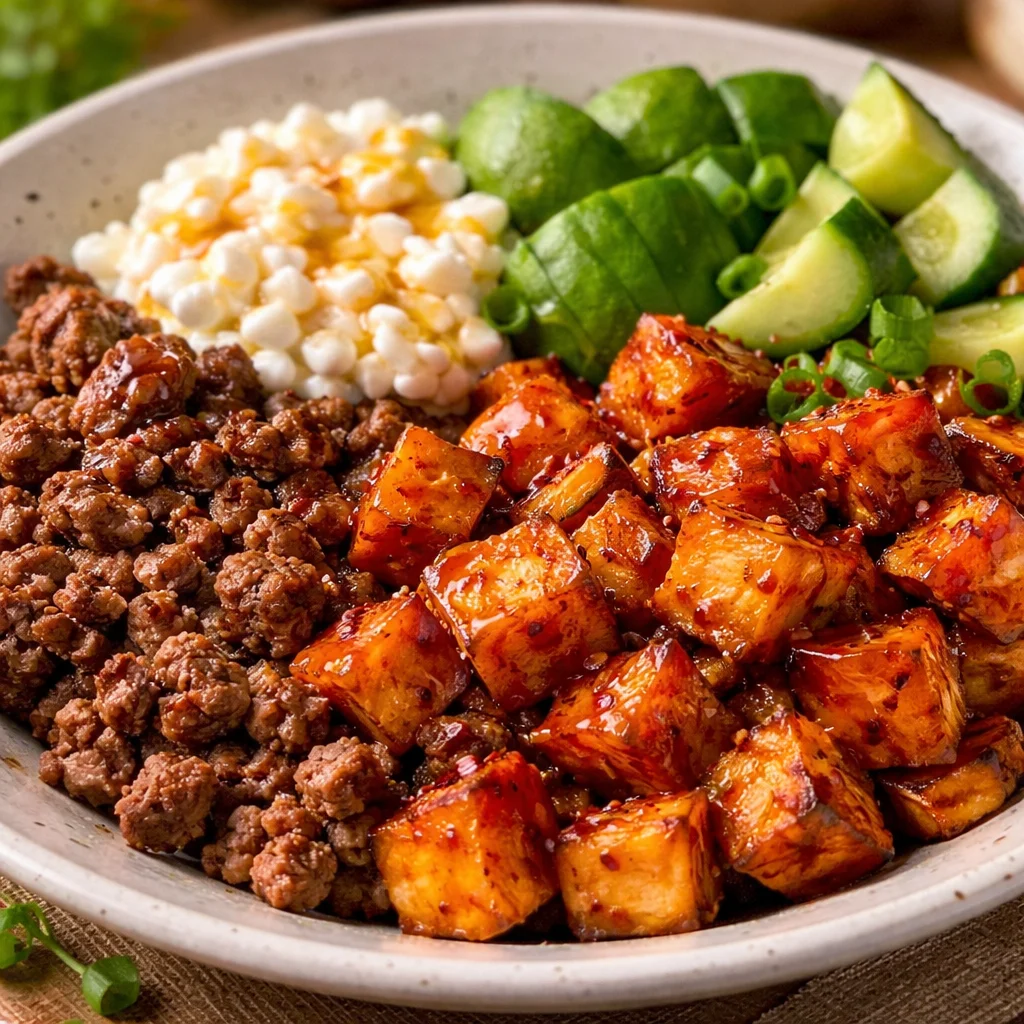
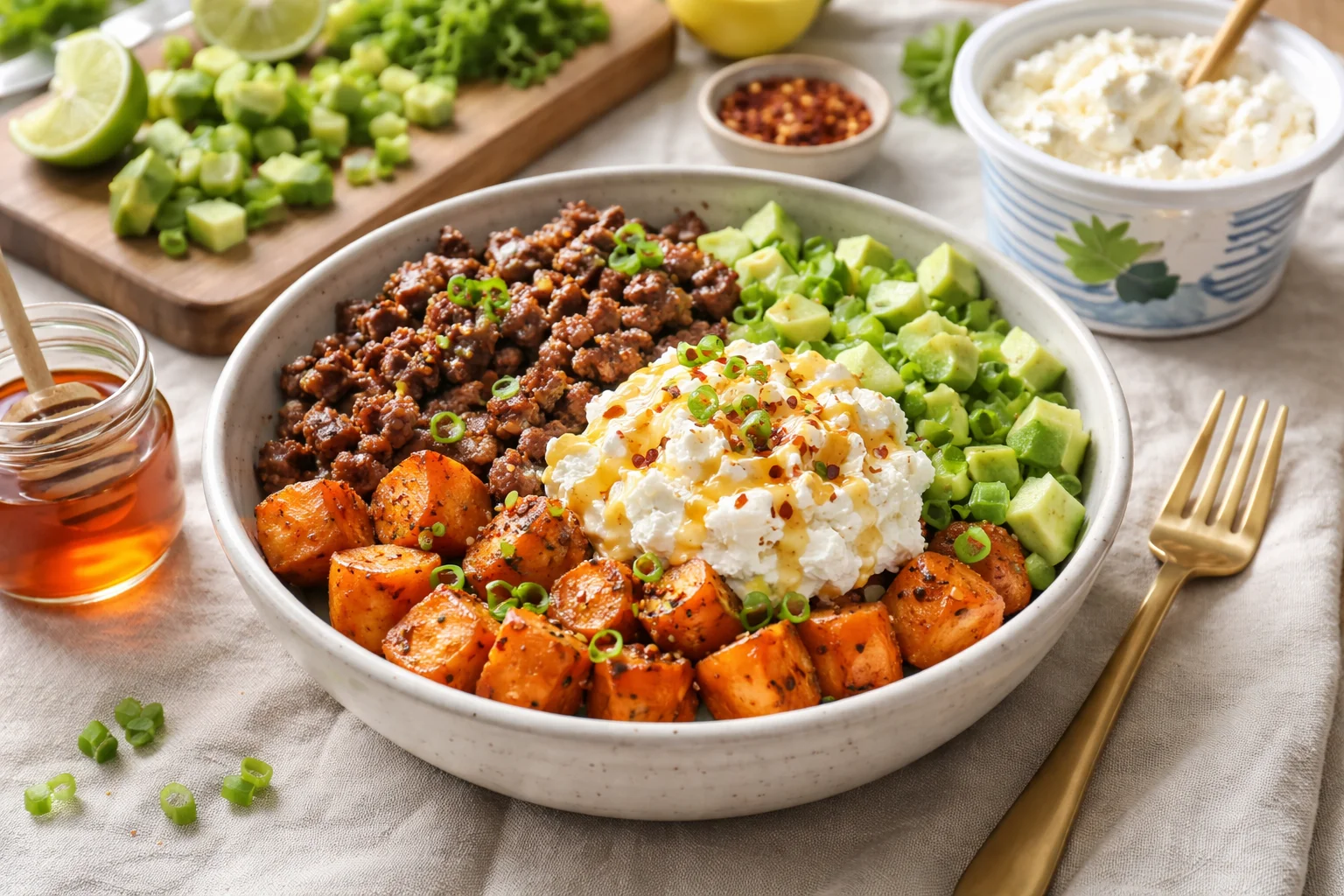
    Hot Honey Sweet Potato Beef Bowl is my answer for those nights when I want something cozy and exciting, but I do not want a pile of dishes or a long recipe. You know the feeling, you are hungry, you want real food, and you also want it to taste like you tried. This bowl hits that sweet spot with spicy sweet hot honey, creamy cottage cheese, and hearty beef all tucked into tender sweet potatoes. It is the kind of meal that makes you pause after the first bite like, okay yeah, this is happening. And the best part is you can tweak it a bunch of ways depending on your mood and what is in your fridge.
    Hot Honey Sweet Potato Beef Bowl

    What is the viral cottage cheese sweet potato beef bowl?

    If you have been scrolling lately, you have probably seen some version of this bowl blowing up. The viral idea is simple: roast or microwave sweet potatoes, add browned beef, spoon on cottage cheese, and finish with hot honey. It sounds a little random until you taste it, then it makes perfect sense.

    The sweet potato is soft and naturally sweet, the beef is savory, and the cottage cheese brings this cool creamy balance. Then hot honey ties it all together with a sticky heat that makes every bite more fun. It is not fancy, but it tastes like something you would order and immediately try to recreate at home.

    Also, it is a great “use what you have” meal. I have made this when I was low on groceries, and it still felt like a real dinner. If you like bowl meals in general, I usually build them the same way every time: base, protein, creamy thing, crunchy thing, sauce.

    And yes, I have tried it with different toppings, and it still works. I will share my five favorite ways to enjoy a Hot Honey Sweet Potato Beef Bowl a little later, because there are so many good directions you can take it.

    Quick note: since you gave me an empty internal link list, I cannot add a real internal link without making one up. If you share even one URL from your site, I will happily add a clickable internal link in the right spot.

    Hot Honey Sweet Potato Beef Bowl

    Why Youll Love This Recipe

    I keep coming back to this bowl for a few simple reasons. First, it tastes bold without being complicated. Second, it is filling in that “I am actually satisfied” way, not the “I need a snack in 20 minutes” way.

    It is big flavor with minimal effort

    You are basically cooking two things: sweet potatoes and beef. Everything else is just assembling. That is my kind of dinner. The hot honey makes it taste like you did something special, even if you were half watching a show while cooking.

    It fits a lot of eating styles

    You can make it higher protein, lighter, spicier, or more kid friendly. It can be gluten free without even trying. And if you are cooking for someone who is picky, you can serve the toppings on the side and let them build their own bowl.

    “I thought cottage cheese in a beef bowl would be weird, but it turned out so good. The hot honey is the magic. I made it twice in one week.”

    It is also a great way to get more sweet potatoes into your life without feeling like you are eating “healthy food.” It just tastes good, full stop. And if you are the kind of person who likes leftovers, the Hot Honey Sweet Potato Beef Bowl holds up really well.

    5 Delicious Ways to Enjoy a Hot Honey Sweet Potato Beef Bowl

    Key Ingredients

    You do not need much, but the right ingredients make a huge difference. Here is what I reach for most often. I will keep it simple and practical.

    • Sweet potatoes: medium sized ones cook more evenly. Roast for best flavor, microwave for speed.
    • Ground beef: I like 85 to 90 percent lean. Too lean can taste dry, too fatty can get greasy.
    • Cottage cheese: full fat is creamier, but use what you like. Small curd feels a bit smoother.
    • Hot honey: store bought is easy. If yours is very mild, add chili flakes.
    • Seasonings: salt, pepper, garlic powder, onion powder. Optional smoked paprika or cumin.
    • Something crunchy: sliced green onion, diced cucumber, chopped pickles, or toasted nuts.

    Now for the fun part. Here are my 5 delicious ways to enjoy a Hot Honey Sweet Potato Beef Bowl. I still follow the same base recipe, but I change the toppings or the vibe.

    1) The classic viral style
    Sweet potato, beef, cottage cheese, hot honey, and a pinch of flaky salt. Add cracked pepper and green onions if you have them. This is the version that made me fall in love with it.

    2) Taco night version
    Season the beef with cumin, chili powder, and a little oregano. Top with cottage cheese, hot honey, shredded lettuce, and salsa. If you have tortilla chips, crush a few on top for crunch.

    3) BBQ twist
    Mix a spoon of BBQ sauce into the beef while it is hot. Then do cottage cheese and a drizzle of hot honey. Add thin sliced red onion or pickles. Sweet, tangy, and honestly kind of addictive.

    4) Breakfast bowl energy
    Top the bowl with a fried or soft scrambled egg. The yolk plus hot honey is unreal. Add a few avocado slices if you are feeling fancy, but it is great without them too.

    5) Extra spicy and fresh
    Add chopped jalapenos or a little hot sauce on top of the cottage cheese. Finish with hot honey and a squeeze of lime. If you have cilantro, throw it on. It wakes the whole bowl up.

    Once you find your favorite version, you will probably make it on repeat. I do. And it is one of the few meals where I genuinely do not miss a “real” sauce because the hot honey and cottage cheese already do so much.

    Step-By-Step Instructions

    This is how I make it on a normal weeknight. Nothing complicated, just a solid plan.

    Cook the sweet potatoes

    If I have time, I roast them at 425 F until they are very soft, usually around 35 to 45 minutes depending on size. If I do not have time, I poke holes in them and microwave until tender, flipping once. Either way, you want them soft enough to mash slightly with a fork.

    Brown the beef

    Heat a skillet, add the beef, and break it up. Season with salt, pepper, garlic powder, and onion powder. Cook until it is browned and no longer pink. If there is a lot of grease, I carefully drain a bit, but I leave some for flavor.

    Build the bowl

    Split the sweet potato open and fluff it. Add the beef. Spoon cottage cheese on top. Drizzle hot honey over everything. Finish with your crunchy topping of choice.

    Tip from my own “oops” moments: do not add the cottage cheese while the beef is screaming hot if you do not want it to melt. Let the beef sit for a minute, then assemble. It stays creamier that way.

    Meal Prep Instructions

    This bowl is super meal prep friendly, and it is one of the few reheated meals I still look forward to.

    Here is what I do:

    Prep the components, not the whole bowl
    I cook 3 to 5 sweet potatoes and brown a big batch of beef. Then I keep cottage cheese and hot honey separate until I am ready to eat. This keeps the texture right.

    Storage
    Sweet potatoes and beef keep well in the fridge for about 3 to 4 days in sealed containers. Cottage cheese stays in its container. Hot honey stays at room temp unless the label says otherwise.

    Reheating
    Warm the sweet potato and beef first. Then add cottage cheese and hot honey after heating. If you add them before, the bowl can get a little watery.

    Make it feel new
    Change toppings through the week. One day do taco toppings, another day do pickles and BBQ vibes, another day go breakfast style. That is how a Hot Honey Sweet Potato Beef Bowl stays exciting instead of feeling like leftovers.

    Common Questions

    Can I use ground turkey or chicken instead of beef?
    Yes. Just season it a little more since turkey and chicken are milder. A pinch of smoked paprika helps.

    Is cottage cheese required?
    No, but it is part of the magic. If you really hate it, try plain Greek yogurt or even mashed avocado for creaminess.

    How do I make hot honey if I do not have it?
    Warm regular honey for a few seconds and stir in chili flakes or a tiny bit of your favorite hot sauce. Taste and adjust.

    What if my sweet potato is taking forever to cook?
    Cut it in half lengthwise before roasting, or microwave it first for a few minutes, then finish in the oven for better flavor.

    Is this bowl spicy?
    It can be mild or hot depending on your honey. Start with a small drizzle, then add more after you taste.

    A cozy bowl you will actually crave again

    If you are stuck in a dinner rut, this is an easy way out that still feels fun. You get sweet, savory, creamy, and spicy all in one bite, and it is easy to switch up with toppings so it never gets boring. I hope you try at least one of the five versions, and then make it your own from there. If you want to see the trend that inspired so many of us, check out this Tiktok Hot Honey Cottage Cheese Sweet Potato Beef Bowl and then come back and tell me how you topped yours.

    5 Delicious Ways to Enjoy a Hot Honey Sweet Potato Beef Bowl

  • 10 Chaos Cakes That Will Make You Smile and Crave More!

    10 Chaos Cakes That Will Make You Smile and Crave More!

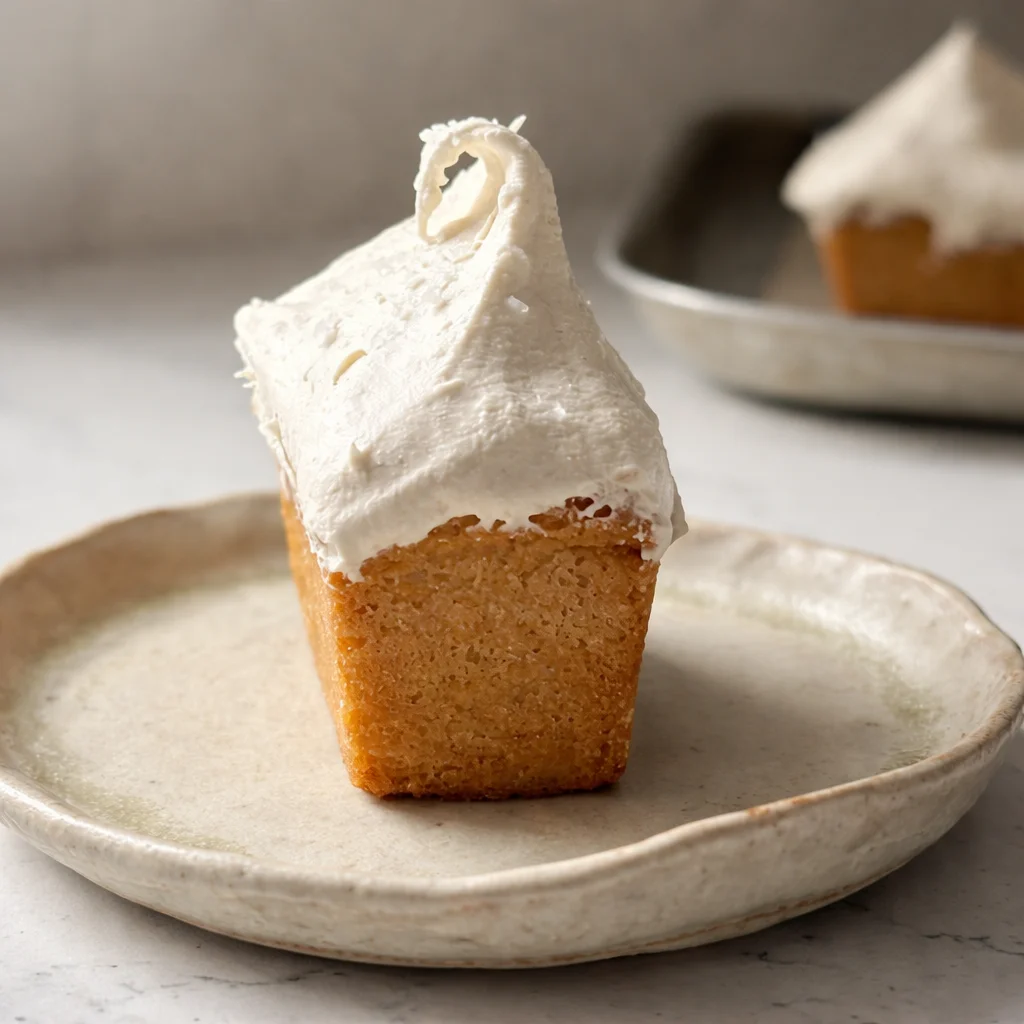
    Chaos Cakes are for those days when you want something sweet, but life is loud and your kitchen plans are… let’s say flexible. Maybe your frosting is too soft, maybe your layers lean a little, maybe your sprinkles went rogue. Been there. I started making these kinds of cakes when I realized perfection wasn’t making anyone happier at my table. The funny part is that the messier they look, the faster they disappear.
    10 Chaos Cakes That Will Make You Smile and Crave More!

    When Frosting Met Wrapping

    I still remember the first time I tried to wrap a frosted cake because I needed fridge space. I thought, I’ll just cover it, no big deal. Ten minutes later I was peeling plastic wrap off buttercream like I was defusing a tiny, delicious bomb. That moment right there is basically the spirit of Chaos Cakes: frosting meets real life, and real life usually wins.

    Here are 10 Chaos Cakes That Will Make You Smile and Crave More, all born from happy accidents, rushed weeknights, and the kind of cravings that do not care about clean edges.

    1) The Crinkle Coat Chocolate Cake
    You frost it once, it looks rough, and instead of fixing it you drag a spoon around the sides and call it texture. Add chocolate shavings and suddenly it looks intentional.

    2) The Sprinkle Avalanche Funfetti
    Instead of carefully sprinkling, you basically dump sprinkles on top and press lightly. The extras fall everywhere. Your counter looks like a birthday party exploded. Worth it.

    3) The “Oops, It’s a Naked Cake” Vanilla Layer
    If you run out of frosting or patience, scrape it thin and let the cake show through. Add berries on top and people will think you planned a rustic vibe.

    4) The Melted Ganache Drip That Would Not Behave
    Pour ganache and let it slide where it wants. Some drips will race, others barely move. It looks wild in a good way, like abstract art you can eat.

    5) The Swirled Two Frostings Cake
    Can’t decide between chocolate and vanilla? Don’t. Put both in the piping bag at the same time. You get messy swirls and no one complains.

    6) The Cookie Press-In Cake
    Broken cookies? Press them into the sides. Whole cookies? Press those too. It’s crunchy, chaotic, and very satisfying.

    7) The Jam Smudge Cake
    You spread jam between layers and it leaks a little out the sides. Instead of wiping it, you smear it around with a spatula so it looks like a watercolor cake.

    8) The Lopsided Stack Cake
    If the layers slide a bit, stop fighting it. Add extra frosting on the low side and pile toppings on top. It ends up looking playful, not wrong.

    9) The Confetti Crumb Coat Cake
    Crumbs everywhere? Do a crumb coat and intentionally leave it speckled. It’s like your cake is wearing freckles.

    10) The Microwave Mug Cake Turned Layer Cake
    Bake two or three quick sponge rounds in a pinch (even in a microwave if you’re desperate), stack them, and go heavy on toppings. It’s not fancy, but it scratches the itch.

    One quick note: you asked for an internal link from a provided list, but the list is empty. I can’t add a valid internal link without at least one URL. If you share one link from your site (even just your cake basics page), I’ll place it naturally in the right section.

    Chaos Cakes

    Plans Gone Awry? Just Add Heat!

    If there’s one thing I trust when a cake goes sideways, it’s heat. A little warmth can save frosting, smooth out a weird texture, and help toppings stick like they mean it. Not “blast it and pray” heat. Just small, controlled moves that make a big difference.

    Here are my go to heat tricks for Chaos Cakes when things start looking messy in the not cute way:

    • Warm spoon trick: Dip a spoon in hot water, dry it, then smooth frosting in slow swipes. It instantly calms down sharp edges.
    • Hair dryer at a distance: A few seconds on low can soften buttercream enough to re-smooth it. Do not get close or you’ll melt it into soup.
    • Ganache rescue: If ganache is too thick, microwave it in short bursts, stir, and let it cool for a minute so it drips instead of floods.
    • Stuck cake layers: If a layer is cold and grabbing your knife, let it sit at room temp 10 minutes before trimming.

    And because Chaos Cakes are half vibe and half survival strategy, here’s something I do when I’m really running late: I intentionally make the top look dramatic. Big swooshes of frosting, a fast drizzle, a handful of chopped candy. People remember that more than a perfectly level edge anyway.

    “I tried your chaotic drizzle idea for my daughter’s birthday cake and it looked so fun. Everyone thought it was a bakery style design, and I didn’t even stress once.”

    Chaos Cakes

    Silver Linings and Lessons Learned

    I’ve learned a lot from cakes that didn’t go according to plan. Like how a cracked top can become a perfect place to hide a mound of whipped cream. Or how a frosting seam on the side disappears when you press toasted coconut over it. Chaos Cakes taught me to stop treating baking like a test and start treating it like a treat.

    Here are a few lessons I keep coming back to:

    Mess can be a design choice. Smudges, drips, and swoops read as playful when you commit to them.
    Flavor forgives everything. If your cake tastes amazing, nobody cares about the lean.
    Texture is your friend. Nuts, cookies, sprinkles, and chocolate curls cover a lot of little issues.
    Cold is powerful. If frosting is sliding, chill the cake 15 to 20 minutes and try again.

    Also, if you’re making Chaos Cakes for other people, tell them the theme. I’m serious. The moment you say, “It’s a chaos cake,” everyone relaxes and starts smiling before they even take a bite.

    Tips for Successful Cake Decorating

    Even though Chaos Cakes are relaxed, a few simple habits will make your decorating experience so much easier. Think of these as the seatbelt. You can still drive with the windows down, but you’re safer.

    My best practical tips:

    Chill your layers before frosting. Cold cake is sturdier and crumbs behave better.
    Do a quick crumb coat. A thin first layer of frosting locks in crumbs so the final coat looks cleaner, even if you keep it messy on purpose.
    Pick one “chaos element.” Like a wild drip, or a sprinkle avalanche, or a cookie wall. One main chaotic feature looks fun, not confused.
    Use what you already have. Leftover Halloween candy, a half bag of chocolate chips, the last spoon of jam. Chaos Cakes love leftovers.

    Since we’re talking decorating, this is where I normally point readers to a related guide on my own site, like a frosting basics or crumb coat tutorial. But again, your internal link list is empty, so I can’t place a clickable internal link yet. Send me one URL and I’ll tuck it into this section naturally.

    Common Mistakes in Cake Baking

    Let’s be real, some chaos is cute, but some chaos is just a cake that’s falling apart. If you want Chaos Cakes that still slice nicely and taste great, watch out for these common mistakes. I’ve done every single one, by the way.

    Overbaking the layers: Dry cake is hard to save. Set a timer and start checking early. If a toothpick comes out with a few moist crumbs, you’re usually good.
    Frosting a warm cake: This is the classic meltdown moment. If the cake is even slightly warm, wait. Or pop it in the fridge for a bit.
    Not leveling at all: You do not need perfect leveling, but if one layer has a big dome, trim just a little so it doesn’t slide.
    Too much filling: Jam and cream are amazing, but if you overload the middle, it will squeeze out and push layers around.
    Skipping chill time: Ten minutes in the fridge can turn a stressful mess into a cake you can actually handle.

    If you’re aiming for Chaos Cakes specifically, I like to keep the cake structure simple and let the outside go wild. Solid base, playful finish. That’s the sweet spot.

    Common Questions

    Are Chaos Cakes just “ugly cakes”?

    Not really. Chaos Cakes are more like carefree cakes. They’re intentionally relaxed looking, but still tasty and totally lovable.

    What frosting works best for Chaos Cakes?

    Buttercream is easiest because it’s forgiving. Cream cheese frosting is delicious too, just keep it chilled since it softens faster.

    How do I keep a messy cake from collapsing?

    Chill your layers, don’t overfill the middle, and if it starts sliding, stop and refrigerate it for 15 minutes before continuing.

    Can I make Chaos Cakes ahead of time?

    Yes. Bake the layers a day ahead, wrap and chill them. Decorate the next day when you have more time and less stress.

    What are quick toppings that hide mistakes?

    Crushed cookies, toasted coconut, chopped nuts, sprinkles, chocolate curls, and fresh berries all cover weird spots fast.

    A Sweet Mess Worth Making

    If there’s one thing I hope you take from this, it’s that Chaos Cakes can be a little messy and still feel like a big win. Keep your flavors strong, use a few simple tricks like chilling and quick smoothing, and let the outside be playful. When you need extra perspective and a good read with your baking inspiration, I loved Corn Cakes and Chaos – by John Whaite because it reminds you that life and baking both get weird sometimes. Now pick one chaotic idea, grab your sprinkles or cookies, and make a cake that makes you smile.

    Chaos Cakes

  • 5 Reasons the Dubai Paratha Burger Will Change Your Life

    5 Reasons the Dubai Paratha Burger Will Change Your Life

    Dubai Paratha Burger is the kind of food that shows up when you are tired of boring dinners, but you still want something that feels like a treat. You know that moment when you are staring into the fridge like it owes you answers? Yeah, this is what I make when that happens. It is crispy, juicy, a little messy, and honestly it makes regular burgers feel a bit plain after. I first tried a version of it after a long day, and it instantly became my comfort meal. If you love quick recipes with big flavor, you are about to be very happy.
    5 Reasons the Dubai Paratha Burger Will Change Your Life

    Paratha Smash Burger: a recipe

    Let me give you the real life version first: this is a smash burger, but instead of a bun, you use paratha. So you still get that juicy beefy bite, but with a flaky, buttery, layered wrap situation that hits differently. It is the kind of meal you make once, then you start thinking about it the next day at work.

    Here is the simple way I do my Dubai Paratha Burger at home. Nothing fancy, just solid steps that actually work.

    My weeknight method (no stress)

    • Warm the paratha in a pan until it is golden and flexible, then set aside.
    • Roll beef into loose balls, about the size of a golf ball. Do not overpack them.
    • Heat a pan until it is hot. Put the beef ball down and smash it hard with a spatula.
    • Season with salt and pepper. Let it crisp for about 60 to 90 seconds.
    • Flip, add cheese if you want, and cook another 30 to 60 seconds.
    • Build it on paratha with sauce, onions, pickles, whatever makes you happy.
    • Fold like a wrap or stack like a burger. Eat immediately while it is still loud and crispy.

    Reason number one this changes your life: it is fast, but it tastes like you put in way more effort than you did. The crispy edges plus the soft paratha layers are just unfair in the best way.

    Dubai Paratha Burger

    Key Ingredients for Paratha Smash Burger

    Ok, ingredient talk, but keep it casual. The magic here is not a long shopping list. It is a few basics that work together really well. And once you find your favorite combo, it becomes your personal signature.

    These are my must haves for a Dubai Paratha Burger that actually tastes like the real deal.

    • Paratha: store bought frozen paratha works great. Flaky is the goal.
    • Ground beef: I like 80 20 because the fat makes the edges crisp and keeps it juicy.
    • Salt and pepper: simple seasoning is the whole smash burger vibe.
    • Cheese: optional, but melty slices make it extra comforting.
    • Sauce: mayo plus ketchup plus a little hot sauce is my easy go to.
    • Crunch: thin onions, shredded lettuce, or pickles for that snap.

    Reason number two it changes your life: it is flexible. You can keep it basic or go fully loaded depending on your mood and what is in your fridge.

    Also quick side note, if you like experimenting with comfort food mashups, I usually keep a little list of ideas on my site, but I was supposed to add an internal link here and the list I was given is empty, so I cannot link anything without making it up. If you send me one URL, I will happily plug it in naturally.

    “I tried this after seeing it all over my feed, and I get the hype now. The paratha makes it feel like street food at home. My family asked for it again two days later.”

    5 Reasons the Dubai Paratha Burger Will Change Your Life

    Cooking Techniques for Perfect Smash Burgers

    This is where the Dubai Paratha Burger goes from good to wow. Smash burgers are simple, but a couple small details really matter. I learned this the hard way after making a few thick, sad patties early on. The good news is it is easy to fix.

    Little tricks that make a big difference

    Get your pan hot. Like properly hot. If the beef does not sizzle the second it touches the pan, wait longer.

    Do not overwork the meat. Form loose balls, not tight ones. The smash does the shaping.

    Smash once, then leave it alone. The crisp edges happen when the meat has contact with the pan and you do not keep moving it around.

    Use a thin spatula. If it is too chunky, it is harder to scrape those crispy bits up.

    Toast the paratha separately. You want it flaky and warm, not steamed and soggy.

    Reason number three it changes your life: it teaches you how to make a seriously good burger without needing a grill, without needing fancy gear, and without needing a long cooking time.

    Tips for Serving and Pairing

    Now let us talk about the part that makes it feel like a full experience, not just a burger you ate standing near the stove. The Dubai Paratha Burger is rich and savory, so pairing is all about balance. You want something cool, something crunchy, and maybe something spicy if you are that person. I am that person.

    ;

    Reason number four it changes your life: it becomes your new go to for feeding people. It feels special, but it is not complicated. Also, it travels surprisingly well if you wrap it in foil and let it rest a minute.

    My favorite serving ideas:

    • Cold drink: iced lemon mint or even a simple soda to cut the richness
    • Side crunch: fries, chips, or a quick cucumber salad with lemon and salt
    • Extra sauce: serve a little dipping cup on the side, it makes it feel like a takeout treat

    If you are serving kids or spice sensitive friends, keep the heat in the sauce on the side. Everyone wins.

    Variations of the Paratha Smash Burger

    This is the fun part. Once you nail the basic Dubai Paratha Burger, you can twist it in a bunch of ways without making it complicated. I do this depending on what I have in the fridge or what I am craving.

    Easy variation ideas (still beginner friendly)

    Spicy version: add jalapenos, extra hot sauce, or a spicy mayo. Even a pinch of chili flakes works.

    Chicken version: use ground chicken, but add a little oil to the pan since it is leaner.

    Double patty: because sometimes you want that diner style bite.

    Breakfast style: add a fried egg and a little cheese, and suddenly it is a morning thing.

    Veg option: try a smashed potato patty or a crispy veggie patty and treat it the same way with the paratha.

    Reason number five it changes your life: it keeps you out of food boredom. You can make it weekly and it will not feel like the same meal every time.

    Common Questions

    Can I make the Dubai Paratha Burger with frozen paratha?

    Yes, and honestly it is what I use most of the time. Just cook it until golden on both sides so it stays flaky.

    What if I do not have a burger press?

    No problem. Use a sturdy spatula and press down hard. You can also use the bottom of a small pan, just be careful with heat.

    How do I keep the paratha from getting soggy?

    Toast it well and do not overload it with wet sauce. I spread sauce thin, then add lettuce or onions as a barrier.

    Can I prep anything ahead?

    You can mix your sauce, slice onions, and portion the meat into balls earlier in the day. Cook everything fresh for the best crisp.

    What cheese works best?

    American style slices melt easiest, but cheddar or mozzarella also work if that is what you have.

    Alright, go make it tonight

    If you have been stuck in a dinner rut, Dubai Paratha Burger is the kind of recipe that wakes up your appetite and your mood. It is quick, it is satisfying, and it feels like something you would pay for outside, but you can pull it off at home. Try it once with the basic version, then start playing with sauces and toppings until it feels like yours. Also if you want a funny and oddly emotional read about how intense this burger craze can get, check out The stupid Dubai paratha burger made me cry. Now go get that pan hot and let your kitchen smell amazing.
    Dubai Paratha Burger

  • 7 Heartwarming Grandma’s Depression-Era Recipes to Savor

    7 Heartwarming Grandma’s Depression-Era Recipes to Savor

    Grandma’s Depression-Era Recipes are what I reach for when life feels a little too expensive, a little too busy, or honestly just a little too loud. You know those weeks when you open the fridge and it looks like a random collection of odds and ends, not a plan? That is exactly when these recipes shine. They are simple, filling, and surprisingly comforting, even if you are not trying to be “old fashioned” on purpose. I grew up watching my grandma make meals out of almost nothing, and somehow everyone left the table happy. Let me share seven of my favorites and a few tricks she taught me along the way.
    Grandma’s Depression-Era Recipes

    Top Unique Recipes from the Great Depression

    These are my personal “greatest hits” from the family recipe box, the ones that still work in a modern kitchen without needing anything fancy. What I love most is how they stretch ingredients and still taste like real food. Also, they hit that cozy spot that makes you slow down for a second.

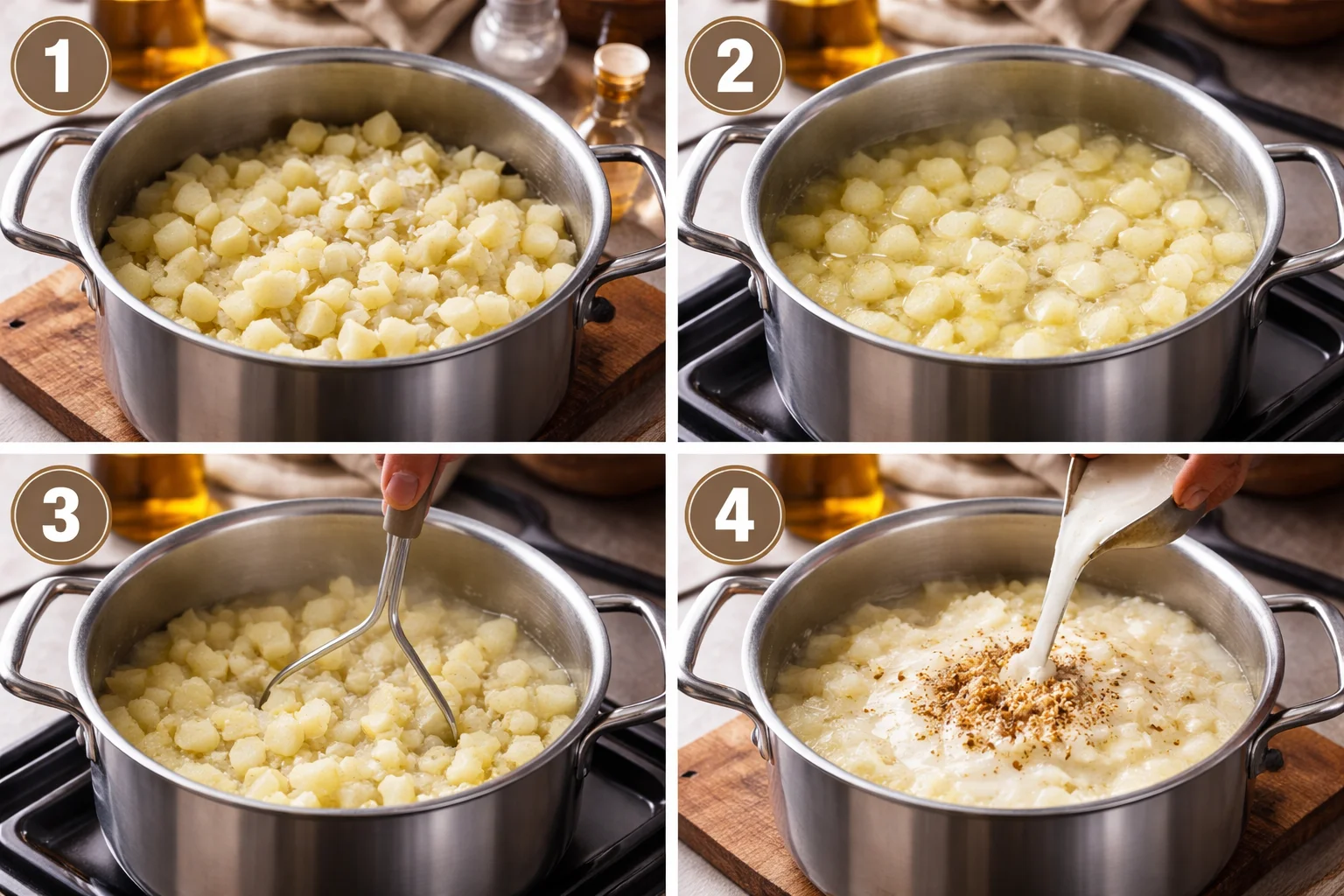
    1) Potato Soup with Milk and Onions

    This one feels like a warm blanket in a bowl. Grandma would say, “If you have potatoes, you have dinner.” She was not wrong.

    • What you need: potatoes, onion, milk (or any milk substitute), salt, pepper, a little butter or drippings if you have it
    • How I do it: dice potatoes and onions, simmer in water until soft, mash a little right in the pot, then stir in milk and season it well
    • Tip: if you have a lonely carrot or celery stalk, chop it in. Nobody complains.

    2) Creamed Chipped Beef on Toast, the “Sunday Special”

    Okay, this one sounds humble because it is. But it is also deeply satisfying. Grandma used dried beef, made a quick white sauce, and poured it over toast. If you have ever had it, you get it. If you have not, start with a small batch and see why people kept making it.

    3) Cornbread in a Skillet

    Skillet cornbread is one of those “smells like home” foods. It is cheap, fast, and it turns soup into a full meal. If you only have a little flour and cornmeal, this still works. I like mine with a crisp edge, so I preheat the pan with a dab of fat.

    4) Beans and Tomato “Stew”

    This is basically pantry magic. It is not complicated, but it tastes like you tried. You simmer beans with canned tomatoes, onion, and whatever spices you have. Grandma used a pinch of sugar if the tomatoes were too sharp. I still do that sometimes.

    5) Egg Drop Noodles, the Scrappy Comfort Bowl

    When there was flour and one egg, grandma made noodles. She would mix flour with egg and a splash of water, roll it thin, slice it up, and drop it into broth. Even plain salted water works in a pinch. It is the kind of meal that makes you feel taken care of.

    6) Fried Cabbage with Bacon Bits (or Not)

    If you can get cabbage on sale, grab it. Slice it, cook it down in a pan, and season it well. If you have bacon or sausage, great. If not, onion and a little butter still make it good. It is sweet, savory, and way more filling than it looks.

    7) “Wacky Cake” with No Eggs or Butter

    This is the recipe that always gets people. Chocolate cake with no eggs, no milk, no butter, and it still turns out soft. The reaction is always the same: “Wait, really?” Yes, really. It is perfect for tight weeks or when you are out of everything.

    One small note: I used to keep a separate page on my site for cozy comfort food, but my list is constantly changing. If you want something similar, you can always click around my recipe collection and see what is new.

    Grandma’s Depression-Era Recipes

    How to Adapt Great Depression Recipes for Modern Cooking

    Here is the thing. You do not have to live like it is 1933 to enjoy these meals. The goal is not struggle, the goal is comfort and smart cooking. I adapt them all the time based on what I have and how much time I have.

    My best practical updates are simple:

    • Use frozen veggies when fresh costs too much or goes bad too fast.
    • Lean on your pantry like canned tomatoes, beans, rice, oats, and flour.
    • Boost flavor fast with garlic powder, onion powder, paprika, or a splash of vinegar.
    • Make it a one pot meal when you are tired and do not want dishes.

    For example, that potato soup can become a full meal with frozen peas tossed in at the end. The beans and tomato stew can get a sprinkle of cheese if you have it, or a spoon of plain yogurt for a creamy twist. And wacky cake? I sometimes add instant coffee powder to deepen the chocolate flavor. Grandma would probably roll her eyes, but she would still eat a slice.

    “I started cooking my grandma’s old meals when groceries got expensive. I expected them to be bland, but they are actually comforting and they stretch for days. The wacky cake is now my go to birthday cake.”

    7 Heartwarming Grandma’s Depression-Era Recipes to Savor

    The Importance of Ingredient Substitutions

    Substitutions are basically the whole point of Grandma’s Depression-Era Recipes. People cooked what they could get, not what a recipe told them to buy. That mindset is still useful now, especially when prices jump around or you are trying to waste less food.

    Here are swaps I use all the time, without overthinking it:

    Milk: use powdered milk, evaporated milk diluted with water, or even unsweetened oat milk for soups and batters.

    Eggs: in baking, try a mashed banana, applesauce, or a little vinegar plus baking soda for lift in certain cakes like wacky cake.

    Meat: beans, lentils, or chopped mushrooms can stretch a small amount of ground meat.

    Butter: use oil, saved bacon fat, or even a little mayonnaise in some baking recipes.

    The key is to stay calm and focus on the job the ingredient is doing. Is it adding moisture? Richness? Holding things together? Once you know that, swapping gets easier. Grandma did not call it “food science,” but she understood it in a very real way.

    Tips for Cooking on a Budget

    I am not pretending these tips fix everything, but they do help. A lot. When I cook like my grandma taught me, I waste less and I feel more in control of the week.

    Here is what actually works in my kitchen:

    Plan for leftovers on purpose. That bean and tomato stew tastes better the next day, and it freezes well.

    Buy the “boring” staples. Rice, oats, flour, potatoes, and dried beans are still some of the cheapest ways to eat well.

    Cook once, eat twice. Make skillet cornbread with soup, then crumble the extra into breakfast with a little milk and cinnamon.

    Use smaller amounts of meat. A little bacon in fried cabbage can flavor a whole pan. You do not need a mountain of it.

    Keep a snack cake recipe handy. Wacky cake saves you from spending on dessert when you just want something sweet at home.

    And yes, Grandma’s Depression-Era Recipes are budget friendly, but they also help emotionally. There is something grounding about turning basics into a real meal. It makes the day feel more manageable.

    Personal Stories and Memories of the Great Depression

    I did not live through the Great Depression, but I grew up with someone who carried its lessons like they were stitched into her apron. Grandma would tell me how her mother saved bacon grease in a tin and treated it like gold. She talked about neighbors trading eggs for flour, and how nobody wanted pity, they just wanted to get through the week.

    The funny part is, she was not sad when she cooked these foods. She was proud. She would hum while stirring soup. She would wrap leftover cornbread like it was precious. She made “nothing much” feel like something good.

    When I make these meals now, I feel connected to that kind of steady strength. Grandma’s Depression-Era Recipes are not just cheap recipes. They are reminders that you can still feed people well, even when things are tight.

    Also, if you are cooking for family, these recipes invite stories. Somebody always says, “My grandma made that too,” and suddenly you are swapping memories instead of just eating dinner.

    Common Questions

    Are Grandma’s Depression-Era Recipes healthy?

    They can be. Many are heavy on beans, potatoes, oats, and simple soups. I balance them by adding a vegetable when I can and watching the salt in things like dried beef.

    What is the easiest one to start with?

    Potato soup or skillet cornbread. Both are forgiving, cheap, and you can adjust them with what you have.

    Can I make wacky cake gluten free?

    Yes, with a 1 to 1 gluten free flour blend. The texture changes a bit, but it is still good. Just do not overbake it.

    How do I make these recipes taste less bland?

    Season in layers. Salt, pepper, onion, garlic powder, and a tiny splash of vinegar or hot sauce can wake up a pot of soup fast.

    Do these recipes work for meal prep?

    Definitely. Beans and tomato stew, potato soup, and fried cabbage all reheat well. Cornbread freezes nicely too.

    A Cozy Ending and a Little Nudge to Try One

    If you have been craving comfort or trying to cut your grocery bill, Grandma’s Depression-Era Recipes are a sweet place to start. Pick one, use what you already have, and do not stress about making it perfect. I also like reading how other home cooks are rediscovering these ideas, like this piece on These Depression-Era Recipes Still Save Money Nearly 100 Years …, because it reminds me this kind of cooking still matters. Try the potato soup this week, or bake the wacky cake when you want something simple and chocolatey. Then tell someone about it, because these recipes are even better with a little story on the side.
    Grandma’s Depression-Era Recipes

  • 7 Deliciously Easy Egg-Free Baking Recipes to Try Today

    7 Deliciously Easy Egg-Free Baking Recipes to Try Today

    Egg-Free Baking has saved me more times than I can count, especially on those days when I’m halfway into a recipe and realize the egg carton is empty. Or maybe you’re baking for an allergy, a vegan friend, or you just don’t love the idea of eggs in your sweets. Whatever brought you here, you’re in the right place. Egg-Free Baking can be simple, comforting, and honestly just as delicious as the classic versions. Today I’m sharing seven recipes I actually make on regular weekdays, not just for show. Grab a bowl, a spoon, and let’s bake something good.
    Egg-Free Baking

    Egg-Free Desserts

    This is where Egg-Free Baking really shines, because desserts are usually what people panic about first. The trick is knowing what replaces the “job” of an egg. Sometimes you need binding, sometimes moisture, sometimes lift. These three dessert recipes cover all of that, and they’re the ones I reach for when I want a sure thing.

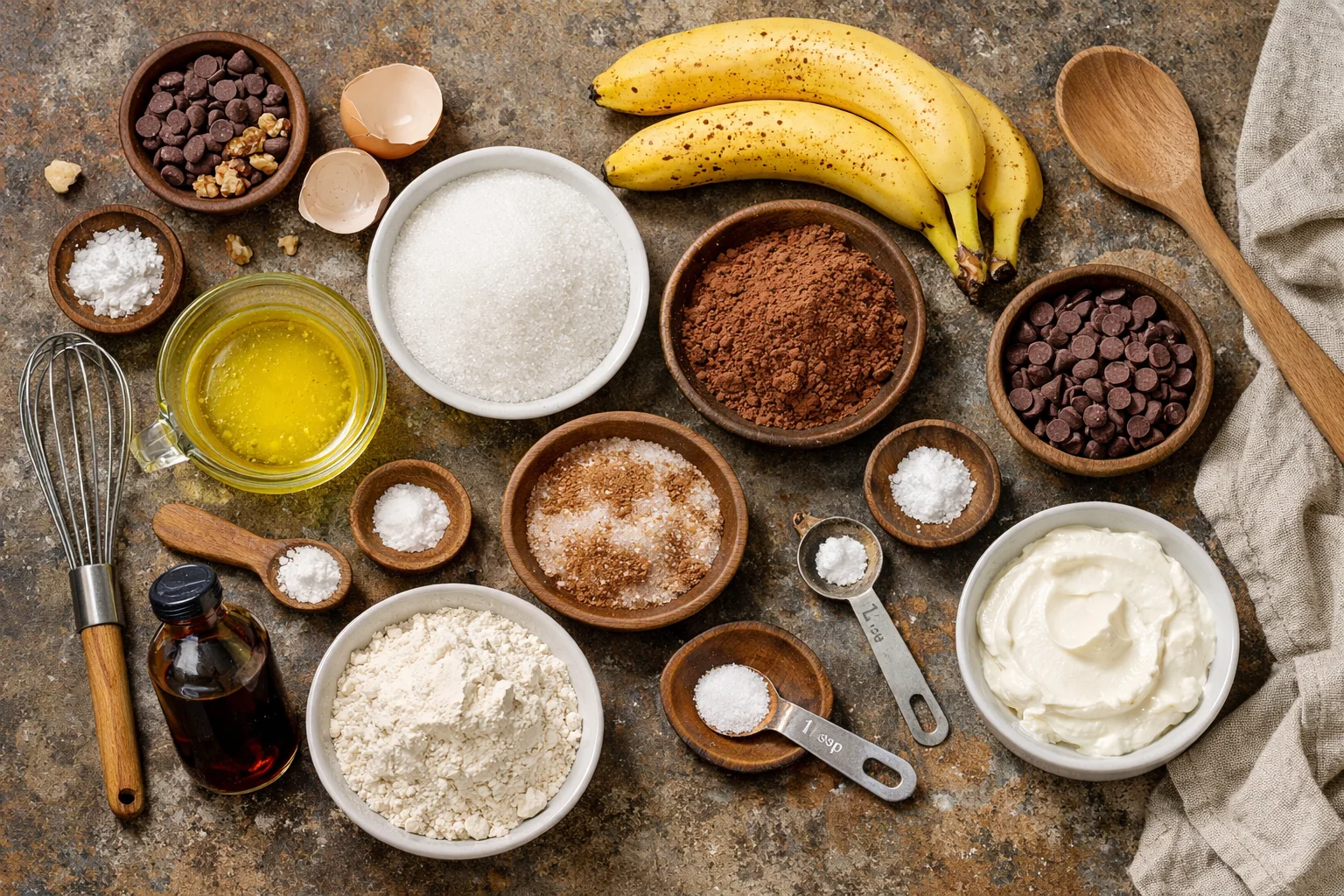
    1) Fudgy egg-free brownies (one bowl)

    These are my “I need chocolate now” brownies. They come out with glossy tops and chewy edges, and nobody ever asks where the eggs are.

    What you’ll need:

    • 1/2 cup melted butter or neutral oil
    • 1 cup sugar
    • 1/2 cup cocoa powder
    • 1/2 cup plain yogurt or sour cream (this is the magic)
    • 1 tsp vanilla
    • 3/4 cup flour
    • 1/2 tsp baking powder
    • 1/4 tsp salt
    • Optional: chocolate chips or chopped nuts

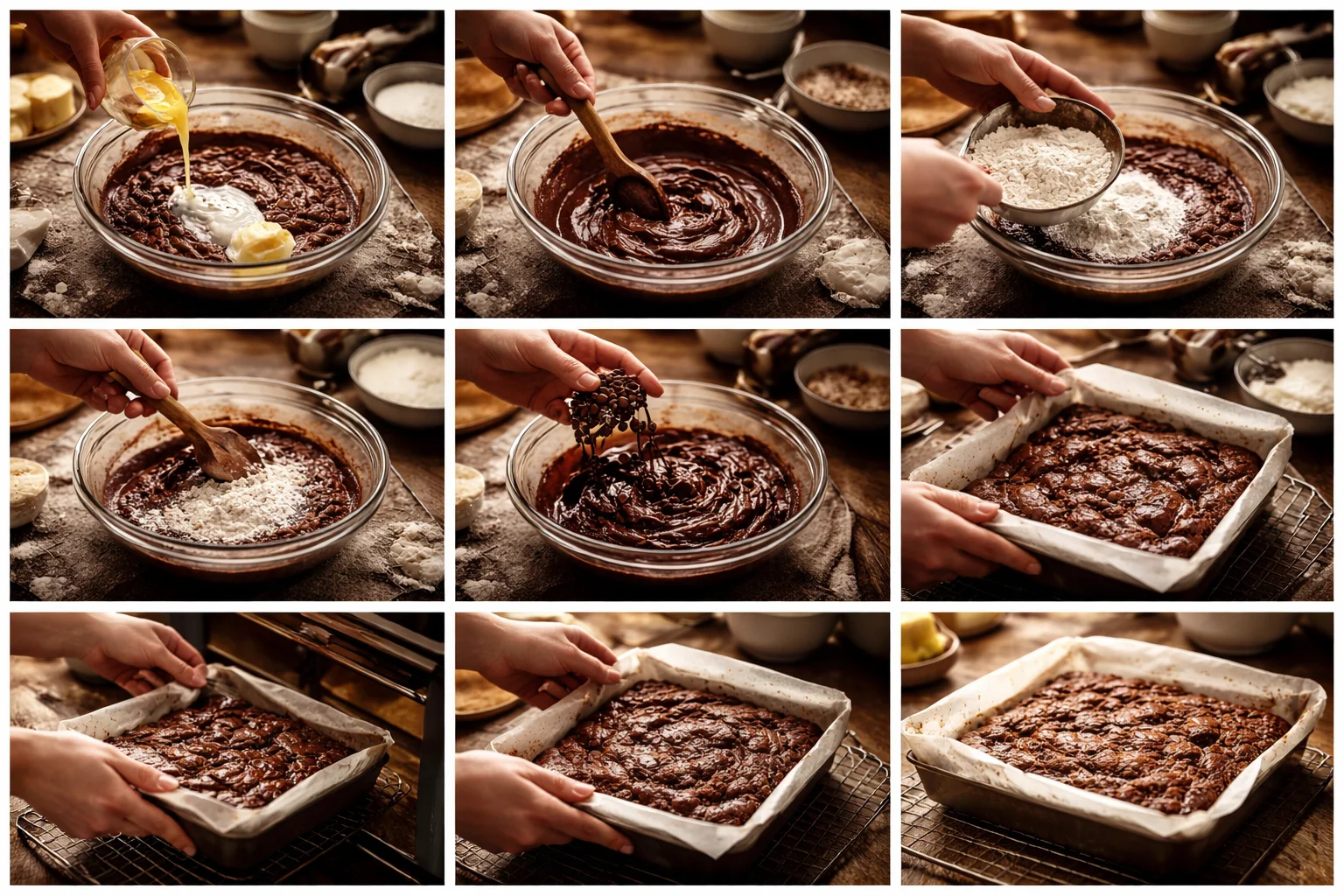
    How I do it: Mix butter, sugar, cocoa, yogurt, and vanilla. Stir in flour, baking powder, and salt. Fold in chips if you want. Bake at 350 F for about 22 to 28 minutes. Let them cool before slicing, even though it’s hard. If you slice too early, they’ll be a little messy, but still delicious.

    2) Soft egg-free vanilla cupcakes

    These are light, sweet, and super “birthday party” vibes. For Egg-Free Baking, I lean on vinegar plus baking soda for lift, and it works like a charm.

    My quick method: Mix your dry ingredients in one bowl and wet ingredients in another, then combine. I add 1 tablespoon vinegar to the wet mix and 1 teaspoon baking soda to the dry, and once they meet, don’t overmix. Bake until a toothpick comes out clean. Frost with buttercream, or keep it simple with powdered sugar.

    3) No egg chocolate chip cookies (chewy style)

    My biggest tip here is not to try to make them “healthy” on the first go. Give yourself the classic cookie experience first, then experiment later.

    Egg swap I love: 3 tablespoons applesauce or mashed banana for every egg. Applesauce keeps it more neutral in flavor. Chill the dough for 30 minutes if you can. It helps the cookies bake up thicker instead of spreading like pancakes.

    “I made the egg-free cupcakes for my kid’s school party and nobody noticed they were egg-free. Two parents asked for the recipe, which basically never happens.”

    Egg-Free Baking

    Egg-Free Breads

    Breads are sneaky because some of them don’t need eggs at all, but recipes still add them for richness or color. For Egg-Free Baking at home, I like breads that are forgiving and still taste amazing the next day. These two are reliable, cozy, and great with coffee.

    4) Banana bread without eggs

    This one is practically made for Egg-Free Baking because bananas already act like a binder. The key is using bananas that are truly ripe. Like, brown spots, strong banana smell, the whole deal.

    My tips: Use 3 medium ripe bananas, mashed well. If your batter looks too thick, add a splash of milk. If you like walnuts or chocolate chips, stir them in at the end. Bake it until the center is set and the top looks deep golden. Let it sit for at least 20 minutes before slicing so it doesn’t crumble.

    5) Quick egg-free cinnamon muffins

    These are the “I forgot I volunteered to bring something” muffins. I do a simple batter, then swirl in cinnamon sugar. If you want them extra cozy, add a tiny pinch of nutmeg.

    Simple cinnamon sugar: 2 tablespoons sugar plus 1 teaspoon cinnamon. Swirl it through the batter with a butter knife. Don’t overthink it. The messy swirls are the best part.

    7 Deliciously Easy Egg-Free Baking Recipes to Try Today

    Egg-Free Breakfast Recipes

    Breakfast is where Egg-Free Baking can feel a little emotional, because pancakes and waffles are such comfort food. I’ve had mornings where I just wanted that warm, fluffy stack without doing a grocery run. These two recipes get you there.

    6) Fluffy egg-free pancakes

    I’ve tested a bunch of versions, and the biggest win is using a little baking powder plus an acid. Think buttermilk, yogurt, or a milk plus vinegar combo. It gives you lift and tenderness.

    What I do: For one batch, mix flour, baking powder, sugar, and salt. Then add milk (or plant milk), a little oil, and a splash of vinegar. Let the batter sit for 5 minutes before cooking. That tiny rest makes a difference. Cook on medium heat and flip when you see bubbles that stay open on top.

    7) Easy egg-free waffles (crispy edges)

    Waffles without eggs can still get crispy, you just need two things: a bit of cornstarch and a hot waffle iron. Cornstarch helps with that light crunch.

    Quick tip: Don’t stack waffles right away. Let them cool on a wire rack for a minute so steam doesn’t soften them. Top with butter, syrup, fruit, or even peanut butter if you’re hungry hungry.

    If you’re new to Egg-Free Baking, it helps to think in categories so you can swap recipes based on what you’re craving. Here are the types I keep in my back pocket, especially when I’m baking for guests and want something that feels familiar.

    My go to categories:

    Cookies and bars: Usually easy to replace eggs with applesauce, yogurt, or flax.

    Cakes and cupcakes: Look for recipes using vinegar plus baking soda, or yogurt for moisture.

    Quick breads and muffins: Often naturally egg-free, especially fruit based ones.

    Breakfast bakes: Pancakes, waffles, and even baked oatmeal can be egg-free with the right balance.

    And if you ever want a simple pantry-friendly guide, I keep a little roundup style page on my site that I update when I find something new. Here’s a handy related read: egg-free baking substitutes that actually work.

    Latest Recipes

    I’m always messing around with new ideas because, honestly, Egg-Free Baking keeps me creative. When you’re not leaning on eggs, you start paying attention to texture, moisture, and flavor in a different way. Here are the newest things I’ve been baking lately, and what I’d suggest if you want to keep experimenting after you try the seven recipes above.

    What I’m making right now:

    Egg-free lemon loaf with a tangy glaze, using yogurt for softness.

    Egg-free peanut butter cookies with a slightly chewy center, using applesauce.

    Egg-free chocolate mug cake for late-night cravings, heavy on cocoa and vanilla.

    Quick reality check: when you test new recipes, write down what you change. I used to swear I’d remember, and I never did. A two line note in your phone saves future you.

    Common Questions

    Q: What’s the easiest egg substitute for most baking?
    A: Plain yogurt or applesauce is easiest for cakes, muffins, and brownies. For cookies, applesauce is usually safer than banana unless you want banana flavor.

    Q: Can I make egg-free recipes vegan too?
    A: Often yes. Use plant milk, dairy-free butter, and check your sugar and chocolate chips if you’re strict about it.

    Q: Why did my egg-free cake turn out dense?
    A: Most of the time it’s overmixing or your baking soda and baking powder are old. Also, don’t wait too long to bake once you combine vinegar with baking soda.

    Q: Do egg-free cookies spread more?
    A: They can. Chilling the dough helps a lot, and using a bit less liquid like applesauce instead of extra milk can keep them thicker.

    Q: How do I know when egg-free brownies are done?
    A: The edges should look set, and the center should not jiggle. A toothpick should come out with moist crumbs, not wet batter.

    A little pep talk before you preheat the oven

    Egg-Free Baking doesn’t have to feel like a downgrade, and these seven recipes are proof. You’ve got desserts for cravings, breads for snacking, and breakfast options that feel like a real treat. If you want even more inspiration, I also like browsing Egg Free Baking – Sally’s Baking Addiction when I’m in a baking rut and need fresh ideas. Pick one recipe from this list, make it today, and don’t stress if it’s not perfect on the first try. Your kitchen will still smell amazing, and you’ll learn your favorite egg-free tricks fast.
    Egg-Free Baking

  • 5 Delicious Ways High Protein Fiber-Maxxing Can Transform Your Diet

    5 Delicious Ways High Protein Fiber-Maxxing Can Transform Your Diet

    High Protein Fiber-Maxxing is the little switch that fixed my usual lunch problem: I would eat something “healthy,” then be starving again an hour later. If you have ever stood in front of the fridge doing that weird snack math, like “is cereal a meal,” you get it. I started pairing protein and fiber on purpose, and suddenly my meals felt more steady and satisfying. Plus, my grocery trips got easier because I stopped buying random stuff that looked good for five seconds. Today I am sharing five delicious ways this approach can seriously transform your diet, with one of my go to recipes you can repeat all week.

    High Protein Fiber-Maxxing

    The Importance of Fiber in Modern Diets

    Fiber is one of those things everyone nods at, but most of us still do not get enough. Modern meals can be a little too soft and refined, like toast, pasta, snack bars, and fancy coffee drinks that somehow count as breakfast. The thing is, fiber is what gives food staying power. It helps you feel full, supports steady digestion, and makes your plate feel more “real” instead of snacky.

    When I started focusing on High Protein Fiber-Maxxing, I realized fiber is not just about salads. It is in beans, lentils, oats, chia, berries, pears, popcorn, and even some higher fiber wraps. The magic happens when you pair that fiber with solid protein. Think chicken plus roasted chickpeas, or Greek yogurt plus berries and chia.

    Here are five delicious ways I use this in everyday life, without turning my kitchen into a science lab:

    • Greek yogurt power bowl: Plain Greek yogurt, frozen berries, chia seeds, and a sprinkle of granola. Add a spoon of peanut butter if you want it extra cozy.
    • Tuna and white bean lemon salad: Canned tuna, canned white beans, lemon juice, olive oil, parsley, salt and pepper. Eat with crunchy veggies or spoon into a pita.
    • Egg and black bean breakfast tacos: Scrambled eggs, black beans, salsa, and shredded cabbage on corn tortillas.
    • Blended lentil pasta night: Lentil pasta, quick tomato sauce, and a side of steamed broccoli with parmesan.
    • My favorite: crunchy chickpea chicken bowl: This is the one I make when I need dinner to feel like a “real meal” but I am not in the mood to cook forever.

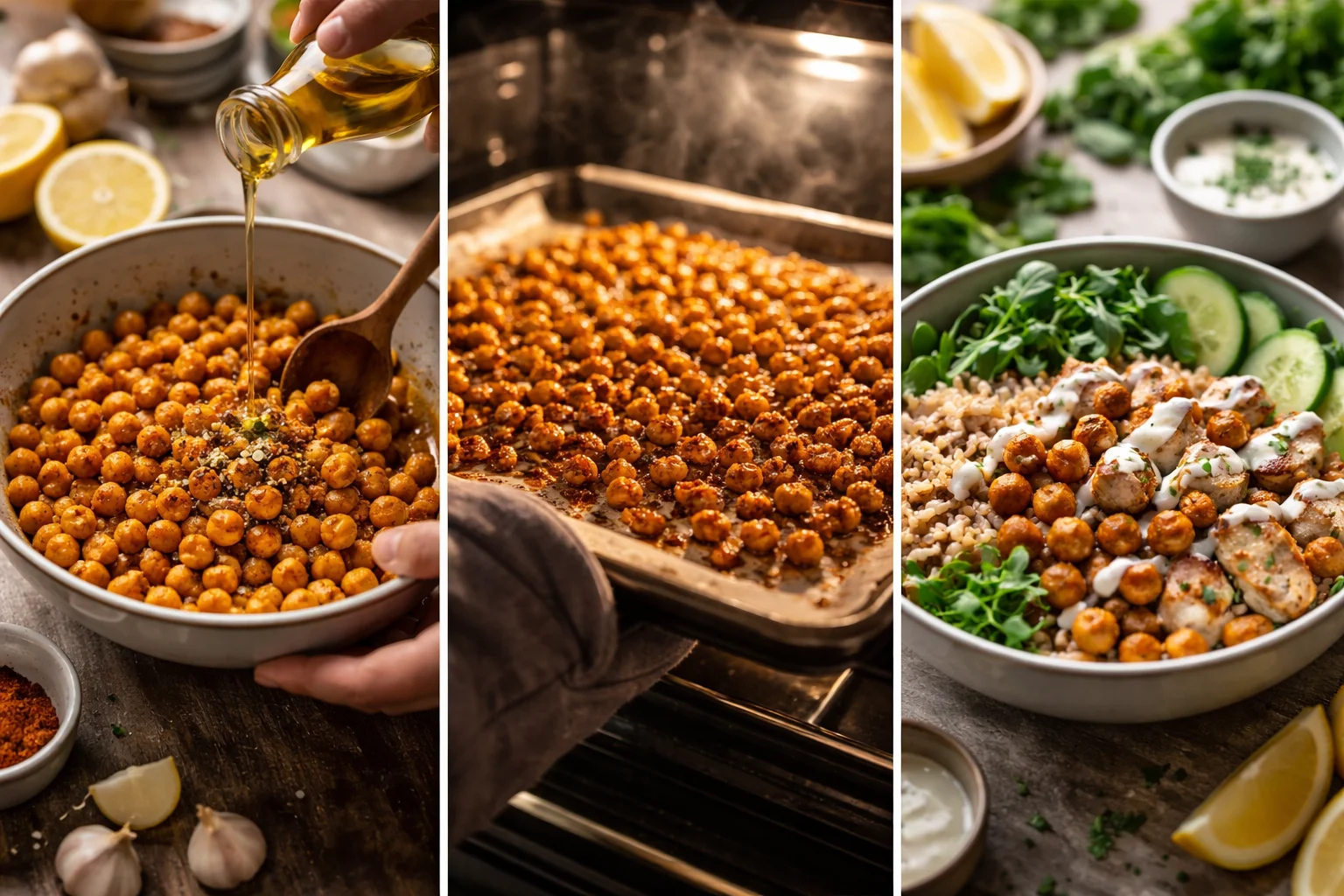
    My crunchy chickpea chicken bowl is simple. I roast a sheet pan of chickpeas until they get toasty, then I add chicken (or tofu), and I build a bowl with a fiber heavy base like brown rice or shredded cabbage.

    What you will need:

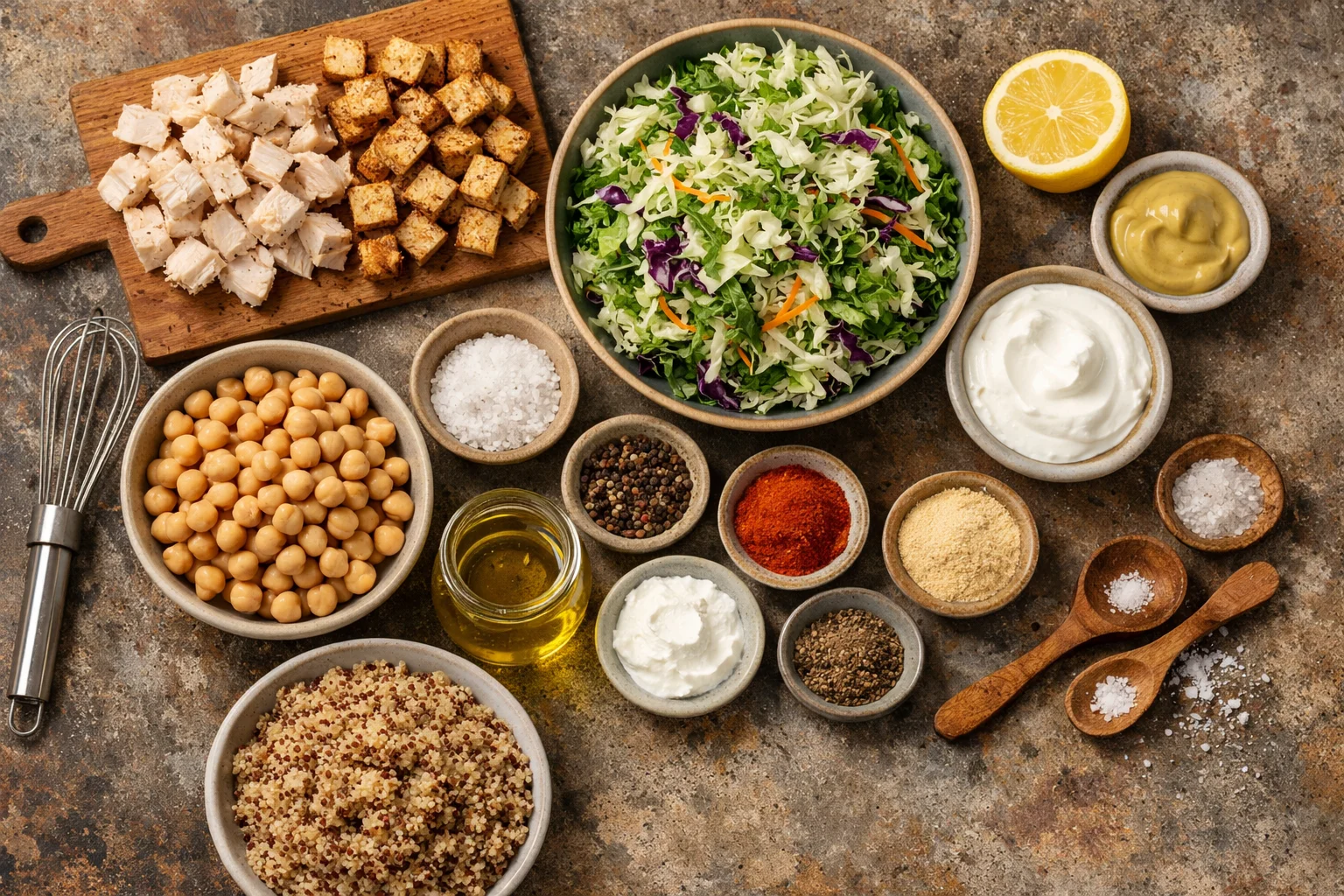
    • 1 can chickpeas, rinsed and dried
    • 1 to 2 cups cooked chicken (rotisserie works) or baked tofu
    • 2 cups shredded cabbage or mixed greens
    • 1 cup cooked brown rice or quinoa (optional but filling)
    • Olive oil, salt, pepper, paprika, garlic powder
    • Quick sauce: Greek yogurt, lemon, a little mustard, pinch of salt

    How I do it: Toss chickpeas with olive oil and seasonings. Bake at 425 F for about 20 to 25 minutes, shaking once, until crunchy. Build your bowl with greens, rice if you want, chicken or tofu, crunchy chickpeas, then drizzle the yogurt lemon sauce. The texture is everything.

    I also keep a running list of lunch ideas that follow the same vibe, and if you like bowls and quick meal combos, you can browse more ideas here: high protein and high fiber lunch ideas.

    5 Delicious Ways High Protein Fiber-Maxxing Can Transform Your Diet

    Grocery shopping has changed a lot. People are reading labels more, comparing protein grams, and looking for fiber the same way we used to hunt for low fat. I notice it in my own cart too. I buy fewer “diet” products and more basic foods I can mix and match.

    My lazy grocery strategy that actually works

    I plan around building blocks, not strict recipes. That is a big reason High Protein Fiber-Maxxing feels easy instead of annoying. When you have the basics, you can throw meals together fast.

    These are the items I try to have around most weeks:

    Protein staples: eggs, canned tuna or salmon, Greek yogurt, chicken, tofu, tempeh
    Fiber staples: beans, lentils, oats, chia, frozen berries, pears, high fiber wraps, popcorn kernels
    Flavor helpers: salsa, mustard, lemon, garlic, hot sauce, a spice blend you love

    One thing that surprised me: when I started aiming for fiber and protein, I naturally bought less random snack food. Not because I was restricting, but because I stayed satisfied longer. It is a quiet change, but it adds up.

    “I tried your chicken and chickpea bowl idea for work lunches and it kept me full until dinner without feeling heavy. I usually snack all afternoon, but this actually helped.”

    High Protein Fiber-Maxxing

    Impact of Fiber on Gut Health

    Let us talk gut health in a normal person way. When your meals are low fiber, your digestion can feel sluggish, unpredictable, or just off. When you eat more fiber consistently, a lot of people notice things feel more regular and comfortable. It is not instant magic, but it is one of the most noticeable benefits over a few weeks.

    Here is what helped me avoid the classic mistake of adding too much fiber too fast: I eased into it. If you jump from barely any beans to a massive bean bowl, your stomach might complain loudly.

    My practical tips:

    Start small: add chia to yogurt, or add half a cup of beans to a salad.
    Drink water: fiber needs fluids to do its job comfortably.
    Mix sources: do not rely on one “super food.” Rotate oats, beans, veggies, berries, and whole grains.
    Pair with protein: this is where High Protein Fiber-Maxxing shines, because it keeps meals balanced and satisfying.

    Also, if you are dealing with a medical condition or digestion issues, it is always smart to check with a clinician or dietitian you trust. I am just sharing what worked in my kitchen and in my real life routine.

    I love cooking from basic ingredients, but I am not above convenience. Some high fiber products are actually great, especially if they help you build better meals without stress.

    Here are a few categories worth checking out next time you shop:

    High fiber wraps: Great for quick lunches. I like stuffing them with eggs and black beans or chicken and crunchy veggies.
    Legume pastas: Lentil or chickpea pasta can be a simple way to bump both fiber and protein in one go.
    Frozen veggie blends: Easy fiber. Toss into soups, stir fries, or mix into rice.
    Seed boosts: Chia and ground flax disappear into yogurt, oatmeal, and smoothies.
    Bean based snacks: Roasted edamame or crunchy chickpeas can replace chips when you want something salty.

    Quick label tip I actually use: I look for at least 3 grams of fiber per serving when I am choosing between similar products. And I check protein too, because again, High Protein Fiber-Maxxing is about the combo, not just one number.

    It is kind of fun watching food trends shift. We have been through low fat, low carb, no sugar, and a million wellness buzzwords. What I am seeing now is more people asking a smarter question: “Will this meal actually keep me full and feeling good?” That is a big reason fiber is having a moment.

    I think the future looks like more realistic nutrition. Less perfection, more practical meals. More grocery products that highlight fiber and protein without making it feel like punishment. And honestly, more people learning that healthy eating does not have to be tiny portions and sadness.

    For me, High Protein Fiber-Maxxing is not a strict rule. It is a helpful lens. If I am building a snack, I ask, where is the protein and where is the fiber? If one is missing, I add it. That is it.

    Common Questions

    Do I need to count grams of protein and fiber?

    No. You can keep it simple by building meals with a protein plus a fiber rich food each time. Counting can help some people, but it is not required.

    What is the easiest breakfast for this?

    Greek yogurt with berries and chia is the easiest. Oatmeal with protein powder and a spoon of peanut butter also works if you like warm breakfasts.

    Will adding more fiber make me feel bloated?

    It can if you increase too fast. Start with smaller portions of beans and lentils, drink more water, and build up over a couple of weeks.

    What are good options if I do not eat meat?

    Tofu, tempeh, edamame, lentils, beans, and Greek yogurt if you do dairy. You can absolutely do High Protein Fiber-Maxxing with plant based meals.

    What is a good “sweet tooth” snack that still fits?

    Try yogurt with cocoa powder and berries, or a pear with peanut butter. It hits the sweet craving but still feels like real food.

    A cozy wrap up and a little nudge to try it

    If your meals have been leaving you hungry, tired, or stuck in snack mode, High Protein Fiber-Maxxing is such a practical reset. Focus on protein plus fiber, keep a few staples on hand, and make one repeatable meal like the crunchy chickpea chicken bowl. If you want to see where this trend is heading, this piece on Food Trends for 2026 Focus on Fiber-Maxxing – and More is a really interesting read. Now go roast a can of chickpeas, throw together a bowl, and tell me you do not feel like you have your life together for at least one meal.

    High Protein Fiber-Maxxing

  • 7 Delicious Saffron-Infused Recipes to Elevate Your Meals

    7 Delicious Saffron-Infused Recipes to Elevate Your Meals

    Saffron-infused recipes are my go to move when dinner feels a little boring, but I still want something easy that tastes like I tried harder than I did. You know those nights when you stare into the pantry, hoping a “real meal” will magically appear? Same. Saffron fixes that for me because just a few threads make rice smell amazing, soups taste richer, and even simple chicken feel special. It is not an everyday ingredient for most people, so it also feels like a tiny celebration. Let me show you how I use it at home without getting fussy about it.

    7 Delicious Saffron-Infused Recipes to Elevate Your Meals

    What is Saffron Rice?

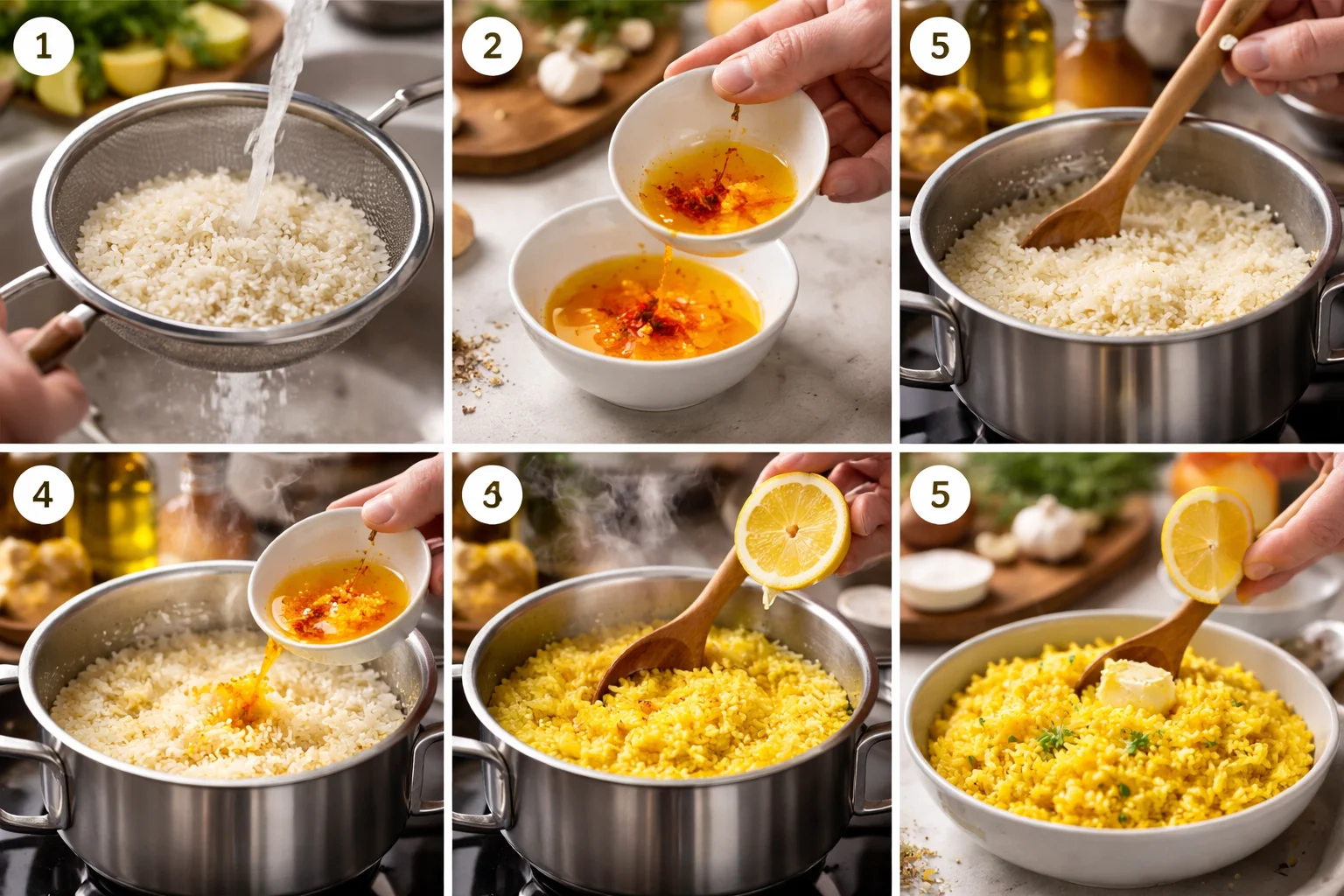
    Saffron rice is basically rice that has been scented and tinted with saffron threads that you soak in warm water first. That soaking step is the whole trick. It pulls out the golden color and that warm, slightly floral flavor that makes your kitchen smell like something really good is happening.

    I usually make saffron rice when I want a side dish that can carry the whole plate. It works with weeknight chicken, roasted veggies, saucy stews, or anything grilled. And if you are cooking for someone you want to impress, this is one of those low effort wins.

    My go to saffron rice method

    I am keeping this simple, because the best saffron rice is more about a few smart steps than a long ingredient list.

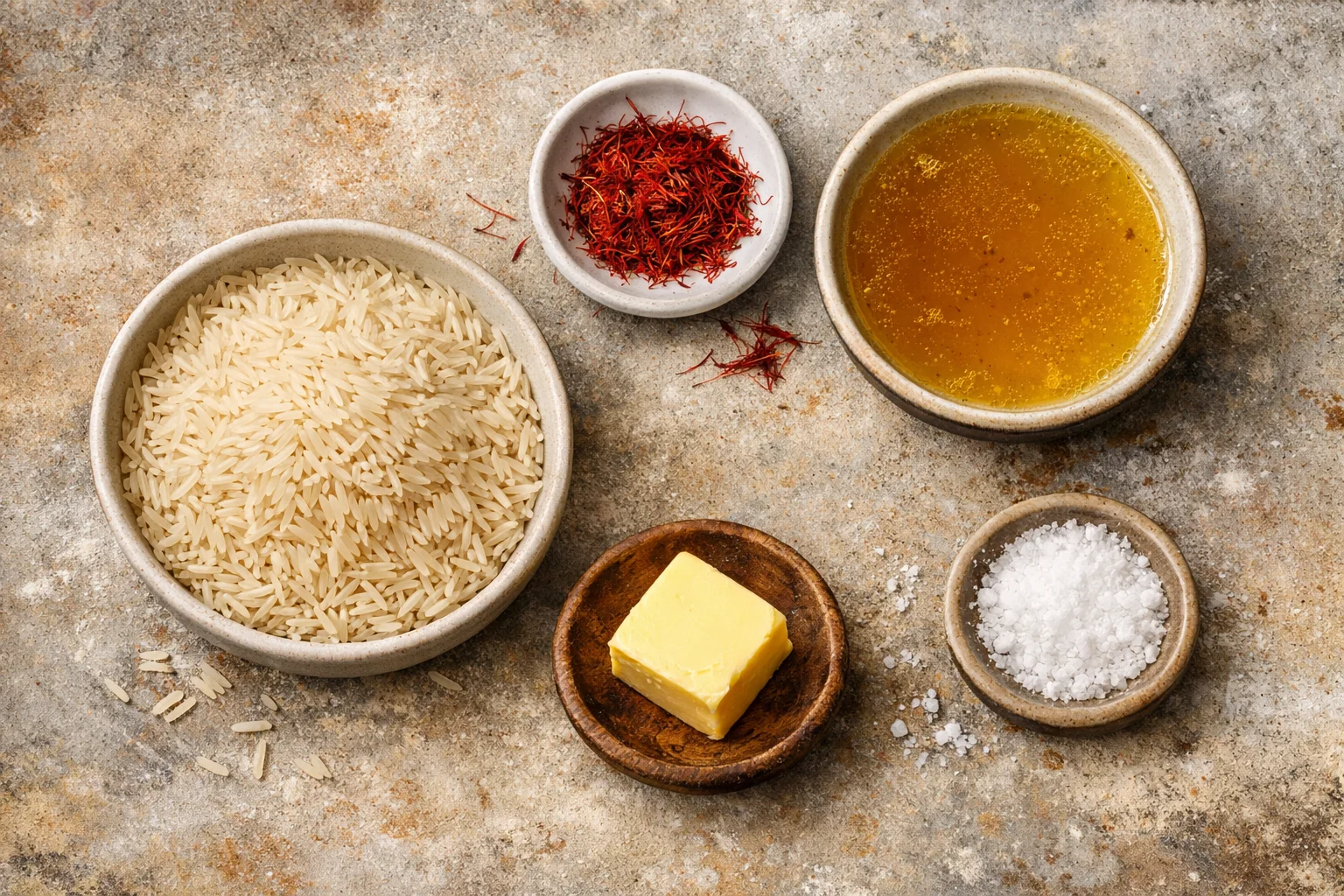
    • Rice: basmati is my favorite, but jasmine or long grain works too
    • Saffron threads: a small pinch, like 10 to 20 threads
    • Warm water or broth: for blooming the saffron
    • Butter or olive oil: for flavor
    • Salt: do not forget it

    Here is how I do it: I rinse the rice until the water runs mostly clear. Then I pinch the saffron into a small cup, add a couple tablespoons of warm water, and let it sit while I get everything else going. I cook the rice like normal, then stir in the saffron water near the beginning so it colors evenly. If I am feeling extra, I finish with a small spoon of butter and a squeeze of lemon.

    By the way, if you love building meals around rice, you might also like trying simple weeknight sides like garlic roasted vegetables or easy lemon chicken (those are two of my usual pairings when I want dinner done fast).

    7 Delicious Saffron-Infused Recipes to Elevate Your Meals

    Health Benefits of Saffron

    I am not going to pretend saffron is a magic wellness powder, but it does have some real perks. Saffron comes from the crocus flower, and those tiny threads are packed with compounds that have been studied for antioxidant properties. That is one reason it has had such a strong reputation in traditional cooking for ages.

    Here are a few commonly talked about benefits of saffron, in plain language:

    It is rich in antioxidants, which help protect cells from everyday stress. Some studies also explore saffron for mood support and appetite balance. I keep my expectations realistic, but I do love that it is one of those ingredients that feels both comforting and a little special.

    “I thought saffron rice would be hard, but it tasted like restaurant food. The smell alone made everyone wander into the kitchen asking what I was making.”

    One quick safety note from my own kitchen habits: a little saffron goes a long way. You do not need a lot to get the flavor, and using too much can make things taste a bit medicinal. Keep it to a pinch and you are in the sweet spot.

    7 Delicious Saffron-Infused Recipes to Elevate Your Meals

    Tips for Cooking Perfect Saffron Rice

    Okay, let us talk about the stuff that actually makes it come out great, because saffron is not cheap and nobody wants “meh” rice after spending extra on it.

    Little details that make a big difference

    Bloom the saffron. I know I already said it, but it is the main move. Warm water, warm broth, even warm milk if you are doing something richer. Give it 5 to 10 minutes.

    Rinse the rice if you want fluffy grains. This helps wash off extra starch that can make things gummy.

    Use the right pot and lid. A pot with a snug lid helps the rice steam evenly. If your lid is loose, you lose steam, and the texture gets weird.

    Do not keep stirring. Rice likes peace and quiet. Stirring breaks the grains and can make it sticky.

    Rest it. When it is done, turn off the heat and let it sit covered for 5 to 10 minutes. This is when it finishes soaking up the last steam and turns fluffy.

    When I am making a bigger meal, I also like to make the saffron water first, then set it right next to the stove so I do not forget it. Because yes, I have forgotten it before, and then you just have normal rice and a sad little cup of golden water sitting there like a reminder.

    This is where saffron-infused recipes really start to shine. Saffron rice is a gentle flavor, so it plays well with bold, saucy, or smoky foods. I like it because it can be a calm base, but it still feels special on its own.

    Here are some of my favorite pairings, depending on the mood:

    Roast chicken or grilled chicken thighs with lemon and garlic. The saffron rice soaks up all the juices.

    Slow cooked stew, especially anything with tomatoes, chickpeas, or warm spices. Spoon the stew over the rice and call it a day.

    Seared shrimp with a little chili and butter. Fast, fancy, and you barely have to plan ahead.

    Vegetable tray bake with zucchini, peppers, onions, and a sprinkle of feta. It is the easiest healthy dinner that still tastes fun.

    Yogurt sauce on the side. I do plain yogurt, salt, lemon, and grated cucumber if I have it. It cools everything down in a good way.

    If you are building a full table, I also like adding a simple salad and something crunchy like toasted nuts. Saffron rice has that soft, fluffy vibe, so crunch on the side makes the whole meal feel more complete.

    Variations of Saffron Rice

    Once you learn the basic idea, you can spin it into a bunch of different saffron-infused recipes without extra stress. I rotate these depending on what is in the fridge.

    Easy variations I actually make

    Golden saffron coconut rice: swap some cooking liquid for coconut milk. This is amazing with shrimp or roasted sweet potato.

    Saffron rice with peas: stir in frozen peas at the end and let them warm through. It looks pretty and tastes fresh.

    Herby saffron rice: add chopped parsley or cilantro right before serving. This is my favorite when everything else on the plate is rich.

    Saffron rice pilaf style: toast the rice in butter first, then cook it. Add a handful of toasted almonds or raisins if you like that sweet and savory thing.

    Spicy saffron rice: a pinch of cumin and a tiny pinch of chili flakes. Not enough to overpower the saffron, just enough to wake it up.

    The best part is that these are not complicated. You are basically just choosing one extra flavor and letting the saffron do what it does.

    7 Delicious Saffron-Infused Recipes to Elevate Your Meals

    Now for the fun list. These are my personal favorites, the ones I make on repeat when I want that “wow” factor without spending all night cooking. You will notice I come back to saffron rice a lot, because it is such an easy base for saffron-infused recipes.

    1) Classic saffron rice with butter and lemon
    This is the one I described earlier. Keep it simple, let the saffron shine, and finish with lemon for brightness.

    2) Saffron chicken and rice skillet
    Brown chicken thighs, set aside, then cook onions and rice in the same pan. Add broth and bloomed saffron, nestle the chicken back in, and cover until done. One pan, cozy dinner, minimal dishes.

    3) Saffron shrimp with garlic
    Bloom saffron in a splash of warm broth. Sear shrimp quickly, add garlic and the saffron liquid, and let it bubble for a minute. Serve over saffron rice or plain rice if you are out of saffron.

    4) Creamy saffron tomato soup
    This is a cold weather favorite. Add bloomed saffron to a basic tomato soup, then swirl in a little cream or coconut milk. It tastes deeper and more rounded, like it has been simmering all day.

    5) Saffron chickpea stew
    Onion, garlic, canned chickpeas, diced tomatoes, and a pinch of bloomed saffron. Simmer, salt it well, and serve with saffron rice. This is one of my best meatless dinners.

    6) Saffron yogurt marinade for chicken
    Stir bloomed saffron into yogurt with lemon, salt, pepper, and a little garlic. Marinate chicken for a few hours, then roast or grill. The color is gorgeous and the flavor is gentle but memorable.

    7) Saffron honey roasted carrots
    Bloom saffron in a spoon of warm water, mix with honey, olive oil, and salt, then toss with carrots and roast. The edges caramelize, and the saffron makes it feel extra special.

    Common Questions

    How much saffron do I need for saffron rice?
    Usually a small pinch, around 10 to 20 threads, is enough for 1 to 2 cups of uncooked rice. If it is super fresh saffron, you may need even less.

    Can I use ground saffron instead of threads?
    Yes, but use a tiny amount. Ground saffron is easy to overdo. I still like to bloom it in warm liquid for better flavor.

    Why is my saffron rice not yellow enough?
    Most of the time it is because the saffron was not bloomed long enough, the water was not warm, or the saffron is old. Also, you may need a few more threads, but do not jump too far too fast.

    What does saffron taste like?
    It is hard to describe, but it is slightly floral, warm, and earthy. It is not sweet, but it can make food smell almost honey like.

    How do I store leftover saffron rice?
    Cool it, refrigerate it in a sealed container, and eat within 3 to 4 days. Reheat with a splash of water so it does not dry out.

    A cozy final nudge to try it this week

    If you take one thing from this post, let it be this: saffron does not have to be intimidating, and saffron-infused recipes can be totally weeknight friendly. Start with saffron rice, then branch out into shrimp, soups, or even roasted veggies once you get comfortable. If you want a solid step by step reference, I like this helpful guide for Saffron Rice – A Fragrant Savory Side Dish – Tori Avey. And if you end up with extra saffron and feel like treating yourself, this Recipe: Saffron-Infused Gin and Tonic is a fun little bonus. Now go grab that tiny jar of threads and make dinner smell amazing.

    7 Delicious Saffron-Infused Recipes to Elevate Your Meals

  • 5 Simple Steps for a Flavorful Homemade Manuka Honey Infusion

    5 Simple Steps for a Flavorful Homemade Manuka Honey Infusion

    Homemade Manuka honey infusion, has been my little kitchen fix for those nights when dinner feels a bit flat and I do not want to overthink it. You know the vibe, the food is fine, but it needs something. I started infusing Manuka honey because I wanted big flavor with almost zero effort, and honestly it delivers every time. It is sweet, a little herbal, and if you make it spicy, it wakes everything up. Plus, it feels kind of special, like you made a fancy condiment even though it took you minutes.
    Homemade Manuka honey infusion,

    How to Infuse Honey with Herbs

    If you have ever tossed fresh herbs in a jar and hoped for the best, you are not alone. The good news is that a simple herb infusion is mostly about using clean tools, keeping moisture low, and giving it a little patience. For this Homemade Manuka honey infusion, I like using dried herbs because they are less likely to introduce water into the honey, and that helps it stay fresh longer.

    What you will need (my no stress setup)

    • Manuka honey (raw if possible, and choose a flavor you like on its own)
    • Dried herbs like thyme, rosemary, lavender, chamomile, or sage
    • A clean dry jar with a lid
    • A spoon or small whisk
    • A fine strainer or cheesecloth (optional, if you want it super smooth)

    Here is my simple method that works even if you are not the measuring type:

    • Add 1 to 2 tablespoons dried herbs per 1 cup honey, depending on how bold you want it.
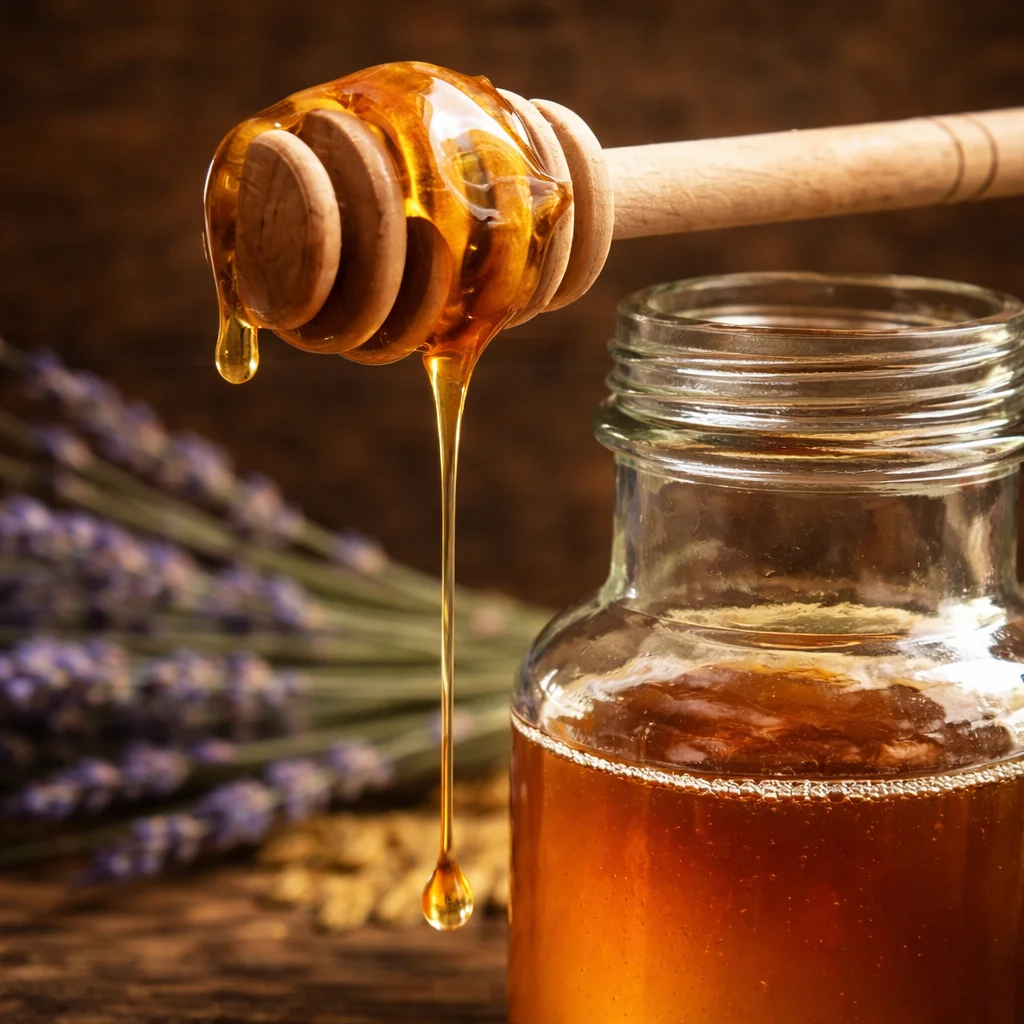
    • Warm the honey gently so it loosens up. I just set the jar in a bowl of warm water for 5 to 10 minutes. Do not boil it.
    • Stir the herbs into the honey, close the lid, and let it sit on the counter for 24 to 48 hours.
    • Taste it. If you want more flavor, let it go another day or two.
    • Strain if you want it smooth, or leave the herbs in for a rustic look.

    One quick safety note because I want you to feel confident: make sure everything is clean and completely dry. Water is the enemy here. If you use fresh herbs, wash and dry them really well, then let them air dry longer than you think you need.

    Also, if you are the kind of person who loves to keep recipes organized, I have a page where I track small batch pantry projects like this. I usually point friends to my pantry basics guide when they ask what jars and tools are actually worth having. (It keeps you from buying random stuff you never use.)

    5 Simple Steps for a Flavorful Homemade Manuka Honey Infusion

    What is Hot Honey?

    Hot honey is exactly what it sounds like: honey that has been infused with chili peppers, sometimes with extras like garlic, vinegar, or herbs. It is sweet first, then warm, then it lingers a little. I love it because it makes simple food taste like you tried harder than you did.

    People often think hot honey has to be cooked on the stove. You can do it that way, but you do not have to. For a Homemade Manuka honey infusion that leans spicy, I usually do a gentle warming method so the honey pours easily and the chili flavor wakes up faster.

    Here is the flavor idea: honey carries heat in this mellow, round way. It is not sharp like hot sauce. It is more like a cozy burn that makes pizza, roasted veggies, and even basic scrambled eggs feel exciting.

    If you are new to heat levels, start mild. You can always add more chili later, but you cannot unspice a jar once you go too hard.

    Homemade Manuka honey infusion,

    Why Make Hot Honey at Home?

    Buying hot honey is convenient, but making it at home gives you control. You get to choose how spicy, how sweet, and what extra flavors you want in the background. Also, if you already have a jar of honey sitting there, it feels like a smart little upgrade.

    These are the reasons I keep making my own:

    1. You control the ingredients. No weird additives, and you can skip anything you do not like.

    2. You can match your heat tolerance. Some store bottles are super mild, others are intense. At home, you decide.

    3. It is cheaper per batch. Especially if you make small jars and refill as you go.

    4. It is a great gift. A tiny jar with a label feels thoughtful, even if it took you 10 minutes.

    ;

    My personal tip: if you are using Manuka, do not blast it with high heat. I keep it gentle because I want to preserve the character of the honey. Warm it just enough to flow, then let time do the rest.

    “I tried your hot honey method with Manuka and a pinch of chili flakes, and I ended up putting it on everything for a week. Even my picky kid liked it on chicken.”

    By the way, if you want more ideas for simple flavor boosters, I keep a running list of weeknight add ons here: quick flavor boosters. I made it for those days when you open the fridge and feel uninspired.

    Delicious Variations & Customisations

    This is where it gets fun, because a Homemade Manuka honey infusion can go in a lot of directions. Think of honey like a blank, sweet canvas. You can make it spicy, herbal, citrusy, or even a little smoky.

    My favorite flavor combos

    Classic hot honey: chili flakes plus a tiny pinch of salt. Simple and reliable.

    Garlic chili honey: add one small dried garlic slice or a pinch of garlic powder. Go light so it does not take over.

    Lemon thyme honey: dried thyme and a little lemon zest. This is so good on roasted carrots.

    Ginger heat honey: ground ginger plus chili flakes. Cozy and great for tea or drizzling on salmon.

    Lavender honey: lavender buds only. Floral and pretty, especially for yogurt bowls.

    Spice control tips I have learned the hard way:

    If you use whole dried chilies, they can get strong fast. Start with one small piece in a cup of honey. If you use chili flakes, start with 1 teaspoon per cup. Taste after a day. Adjust slowly.

    Texture tip: if your honey crystallizes, it is normal. Set the jar in warm water and stir. It will loosen up again.

    How to Use Hot Honey in Everyday Meals

    Once you have a jar, you will find reasons to use it. The easiest way is to treat it like a finishing drizzle. A little bit right at the end makes the flavor pop.

    Easy ways I use it all week

    Pizza night: drizzle over slices right after they come out of the oven.

    Roasted vegetables: especially Brussels sprouts, carrots, sweet potatoes, and cauliflower.

    Chicken: baked thighs or tenders taste amazing with a spicy honey glaze.

    Breakfast: on avocado toast, eggs, or even mixed into Greek yogurt.

    Snacks: a little over cottage cheese or a cheese board with crackers.

    If you are making a Homemade Manuka honey infusion that is more herbal than spicy, try it in salad dressing. A spoonful whisked with olive oil, lemon, and a pinch of salt makes a quick dressing that tastes fresh and balanced.

    And if you want the easiest dinner move ever, brush hot honey over salmon in the last few minutes of cooking. It turns glossy and sticky in the best way.

    Common Questions

    1. How long does infused honey last?
    If you used dried herbs and clean dry tools, it can last for months in a cool dark spot. If anything smells off or starts bubbling, toss it and make a fresh batch.

    2. Do I need to refrigerate it?
    Usually no. Honey is naturally shelf stable. I only refrigerate if I used fresh ingredients that might add moisture, and even then I prefer dried ingredients to keep it simple.

    3. Can I use fresh herbs instead of dried?
    Yes, but dry them very well. Fresh herbs can introduce water, which shortens shelf life. If you are unsure, stick to dried herbs.

    4. Will warming honey ruin it?
    Gentle warming is fine. I avoid boiling and avoid high heat for long periods. I just warm enough to make mixing easy.

    5. What is the best chili to use?
    Chili flakes are the easiest for beginners. For more character, try dried ancho or dried chili pods. Start small and taste as you go.

    A sweet and spicy finish you will actually use

    If you take anything from this, let it be this: a Homemade Manuka honey infusion is one of those tiny kitchen projects that pays you back all week. Keep it simple, keep it clean and dry, and build the flavor slowly until it tastes like you. If you want even more inspiration, I really like this guide on How to Make Herb-Infused Honey + Recipes, and this one is great if you are leaning spicy: Deliciously Easy Hot Honey Recipe (Perfectly Sweet & Spicy!). Now go make a small jar, drizzle it on something cozy, and let your dinner feel a little more exciting tonight.
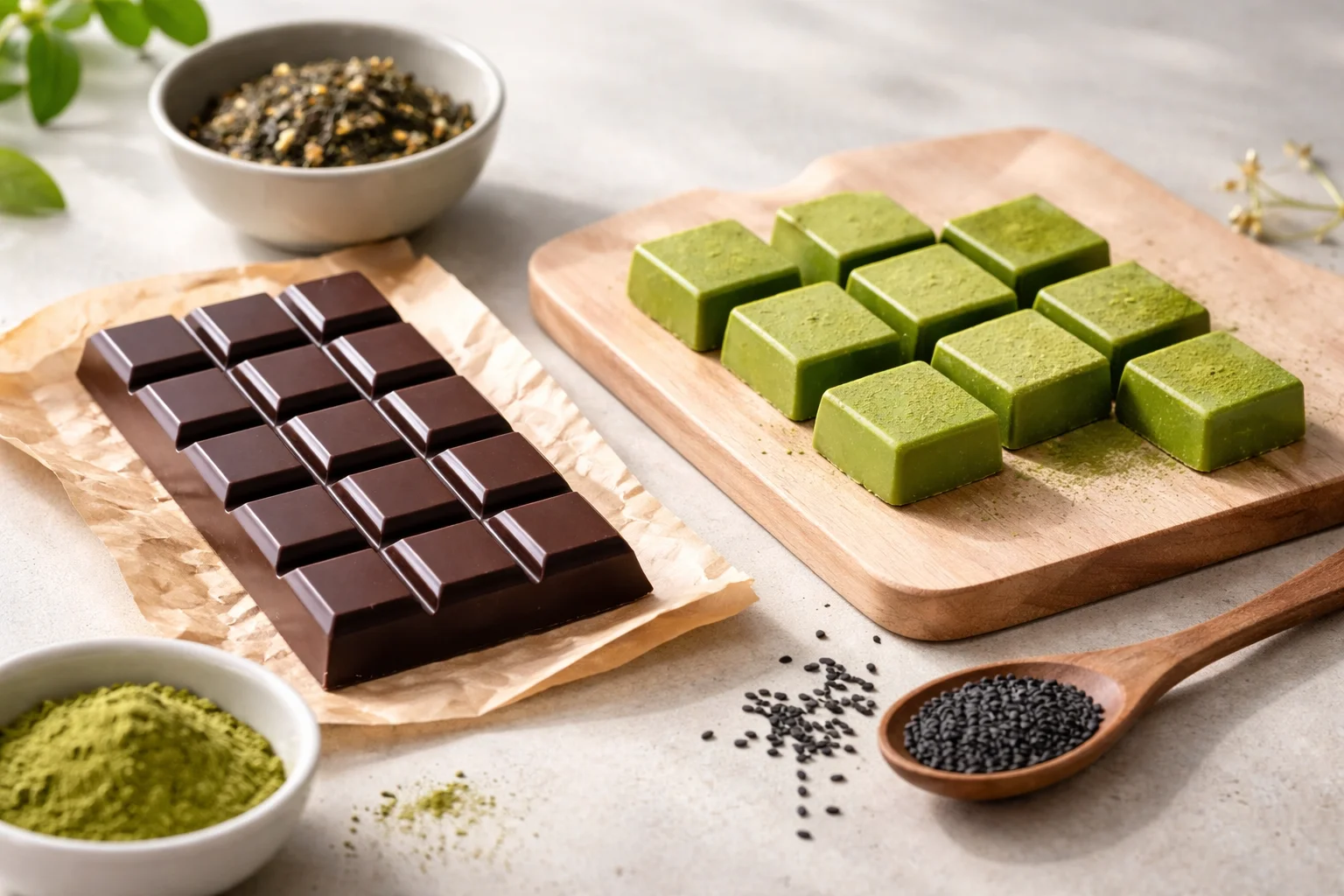
    5 Simple Steps for a Flavorful Homemade Manuka Honey Infusion

  • 7 Simple Steps for Perfect A5 Wagyu Preparation at Home

    7 Simple Steps for Perfect A5 Wagyu Preparation at Home

    A5 Wagyu preparation is one of those things that sounds fancy until you’re standing in your kitchen thinking, okay… now what? The first time I cooked it at home, I was honestly a little stressed because it’s not the kind of steak you want to mess up. But here’s the good news: it’s actually simple when you follow a few easy steps and don’t overthink it. This post is basically the checklist I wish I had the first time, with little details that make a big difference. Let’s get you that crispy sear, that buttery center, and the kind of bite that makes everyone go quiet for a second.
    A5 Wagyu preparation

    What is Japanese Wagyu beef?

    Japanese Wagyu beef is famous for one big reason: the fat is marbled all through the meat, not just around the edges. That marbling is what gives you the buttery texture and that rich, almost sweet flavor that feels totally different from a normal steak.

    When you see “A5,” that’s basically the top grade. It’s judged on things like how much marbling it has, the color, the texture, and the quality of the fat. If you’ve ever seen a photo of A5 and thought it looks like a pink and white stained glass window, that’s the stuff.

    One thing that matters for A5 Wagyu preparation is understanding that this steak isn’t meant to be treated like a thick ribeye you cook for a crowd. It’s rich. A little goes a long way. I like serving smaller portions and focusing on perfect cooking rather than big volume.

    If you’re curious about other steak nights you can build around this, I usually keep ideas saved for sides and sauces. You can also browse more posts like this on my steak dinner guide when you want to plan a full spread without stress.

    7 Simple Steps for Perfect A5 Wagyu Preparation at Home

    Thermal principles for wagyu steak

    Okay, this is the part that makes A5 Wagyu preparation go from scary to easy. Wagyu has so much fat that it behaves differently on heat. The goal is to warm the inside gently, then sear fast for texture.

    Why gentle heat wins

    Think of the fat in Wagyu like butter. If you blast it too hard for too long, you’ll melt out the good stuff and end up with a smaller steak and a lot of expensive drippings. You want enough heat to render a little fat for flavor, but not so much that the steak turns into a sad puddle.

    Here’s the simple heat rule I follow:

    • Warm the steak slightly before cooking so it doesn’t go from fridge cold to pan hot.
    • Use medium to medium high heat and keep the cooking time short.
    • Flip often so one side doesn’t get all the punishment.

    Also, use a heavy pan if you can. Cast iron is my favorite because it gives you that solid, even sear. No fancy equipment needed, just something that holds heat.

    “I followed your steps and finally didn’t overcook my A5. The crust was perfect and the inside stayed creamy. Worth every penny.”

    If you’re the kind of person who likes a second opinion before cooking pricey beef, I totally get it. I learned a lot by reading a few different approaches over time, then sticking with what worked in my kitchen.

    A5 Wagyu preparation

    How to Defrost A5 Wagyu

    Defrosting is not the sexy part of A5 Wagyu preparation, but it might be the most important. If you rush this, the texture can suffer, and you can lose juices before you even start.

    The safe, steak loving way to thaw

    Here’s what I do every time:

    Step 1: Thaw in the fridge. Keep the steak in its packaging and place it on a plate or tray. Let it thaw slowly in the refrigerator for 24 to 48 hours depending on thickness.

    Step 2: Dry it well. Once thawed, remove it from the packaging and pat it dry with paper towels. Moisture is the enemy of a good sear.

    Step 3: Let it sit out briefly. Let it rest at room temperature for 20 to 30 minutes before cooking. Not for hours, just enough to take the chill off.

    What I avoid:

    No microwave defrosting and no hot water bath. Wagyu is delicate, and those shortcuts can start cooking the edges or mess with the fat.

    If you want a simple seasoning plan, I usually keep it minimal for Wagyu. And if you like experimenting with salts, I keep notes and favorites on my seasoning basics page.

    Japanese Cuts

    Not all Wagyu cuts cook the same, and knowing what you bought makes A5 Wagyu preparation feel a lot more predictable. Here are a few common Japanese cuts you might see when ordering:

    Ribeye: Very rich, very marbled, and forgiving. Great for first timers.

    Striploin: Still super marbled, but a little more structured bite. It’s my personal favorite when I want that steak feel plus Wagyu richness.

    Tenderloin: Softer and more mild. Usually less marbled than ribeye or striploin, but still luxurious.

    Chuck flap or zabuton: This one can be insanely good, often used in Japanese BBQ, and it sears beautifully.

    For cooking, I like slicing thicker steaks into smaller portions before they hit the pan. Not paper thin, just smaller pieces so you can control the sear and serve bite sized portions. This also helps because Wagyu is so rich that a few ounces per person can feel perfect.

    My quick at home method for cooking once it’s thawed and portioned:

    Step 4: Preheat your pan. Medium to medium high. Give it a few minutes so it’s truly hot.

    Step 5: Season simply. Just salt right before cooking. Pepper can burn, so I add it after.

    Step 6: Sear fast and flip often. About 45 to 90 seconds per side depending on thickness, flipping every 30 seconds or so. You’re building a crust without overcooking.

    Step 7: Rest briefly. Two to three minutes is plenty. Then slice and serve right away.

    And yes, you’ll see plenty of rendered fat in the pan. I like to spoon a little of it over the sliced steak right before serving. That’s pure flavor.

    A5 Pairings

    Because A5 is so rich, pairings matter more than usual. You don’t want a heavy side fighting for attention. You want contrast and freshness, plus something simple to soak up the vibe.

    My go to pairings:

    • Steamed rice or sushi rice with a tiny sprinkle of flaky salt
    • Quick cucumber salad with rice vinegar and sesame
    • Sauteed mushrooms in a little of the rendered Wagyu fat
    • Pickled ginger or quick pickled onions for brightness
    • Light greens with a citrusy dressing

    For sauces, I keep it minimal. A little soy sauce and citrus, or a tiny dab of wasabi, goes a long way. If you want the meat to taste like itself, don’t drown it.

    Also, here’s a small tip people forget: serve it hot. Wagyu fat melts at a lower temperature than you’d expect, so if the slices sit around, you lose that dreamy texture.

    Common Questions

    Q: What doneness is best for A5?
    A: I aim for medium rare to medium. For most cuts, that keeps the fat soft and the meat tender without turning it mushy.

    Q: Should I use oil or butter in the pan?
    A: Usually no. A5 has enough fat to cook in its own rendered goodness. If your pan is super dry, a tiny smear of neutral oil is fine, but keep it minimal.

    Q: Can I grill A5 Wagyu?
    A: You can, but it’s easier to over render the fat on a grill. A pan gives you more control. If you grill, use lower heat and shorter time than you think.

    Q: Why did my Wagyu shrink so much?
    A: That’s usually from too much heat or too long in the pan. For A5 Wagyu preparation, quick sears and frequent flips help you keep more of that precious fat in the steak.

    Q: Do I need a meat thermometer?
    A: It helps, especially if you get nervous. But you can also go by time and feel. If you want a solid reference, I’d rather you check early than guess late.

    Alright, you’ve got this

    If you take anything from my A5 Wagyu preparation routine, let it be this: thaw slowly, keep seasoning simple, and cook it fast with control. Once you taste that crisp edge and that melt in your mouth center, you’ll realize it’s not about fancy chef tricks, it’s about smart little choices. If you want extra temperature and timing guidance, the tips in Cooking REAL Japanese Wagyu Steaks – ThermoWorks Blog are super helpful. And if you want a really honest reality check about what makes Wagyu different and how people cook it at home, this is a great read too: How to Cook Wagyu Beef at Home – Serious Eats. Now go make that steak night happen, and don’t forget to slice, taste, and enjoy it while it’s still warm.
    7 Simple Steps for Perfect A5 Wagyu Preparation at Home